Tanzania

Experience vast wilderness, the Great Migration spectacle, and Africa’s highest peak in a land where nature unfolds on an epic scale.

Welcome to Tanzania

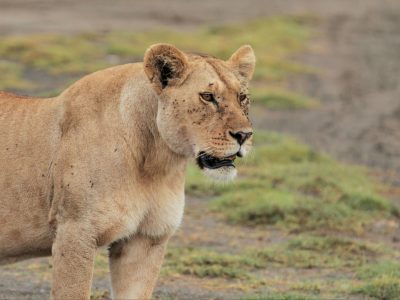
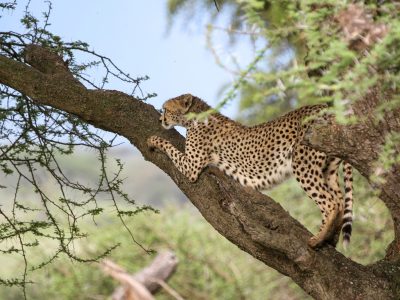
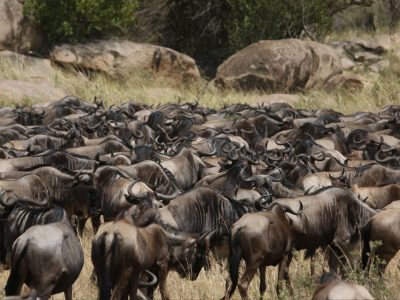
A safari in Tanzania offers a deeply engaging experience in one of Africa’s most remarkable natural landscapes, where sweeping savannahs meet endless horizons and wildlife thrives in its purest form. Across the plains of the Serengeti National Park, enormous herds of wildebeest and zebra move across the land during the famous Great Migration, while lions rest beneath acacia trees and cheetahs race across open grasslands in dramatic hunts.

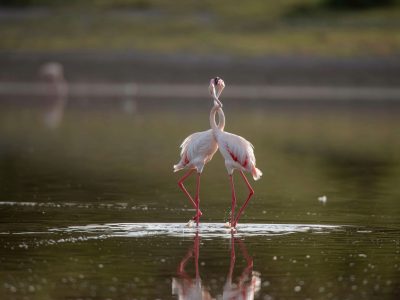
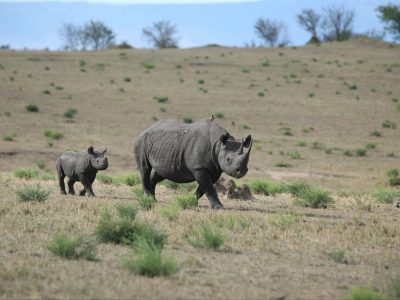
Inside the breathtaking Ngorongoro Crater, visitors discover a unique natural sanctuary where elephants, rhinos, flamingos, and many other species live within the walls of a massive ancient volcanic caldera. The scenery shifts from grasslands to forests and lakes, creating one of the most wildlife-rich areas in Africa.

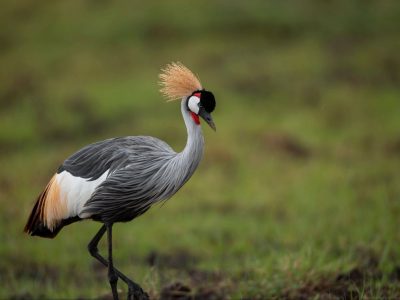
Between game drives, the wilderness reveals its quieter moments—the distant call of predators, the movement of tall grass in the wind, and the chorus of birds echoing across the plains. These experiences create a powerful connection with nature, turning a Tanzania safari into more than just a holiday, but a memorable journey into the heart of the wild.

Serengeti

Serengeti National Park is one of Africa’s most iconic wildlife destinations, famous for its vast golden plains, spectacular landscapes, and abundant wildlife. Home to the legendary Great Migration, millions of wildebeest, zebras, and other animals move across the Serengeti each year in search of fresh grazing and water. The park also offers incredible opportunities to see lions, elephants, cheetahs, leopards, giraffes, and countless other species in their natural habitat, making the Serengeti an unforgettable safari destination for nature and wildlife lovers.

Ngorongoro

Ngorongoro Conservation Area is one of Tanzania’s most remarkable wildlife destinations, renowned for the spectacular Ngorongoro Crater, a vast volcanic caldera surrounded by dramatic highlands. The crater is home to a remarkable concentration of wildlife, including lions, elephants, buffaloes, zebras, wildebeest, and flamingos, making it one of the best places in Tanzania for an unforgettable safari experience. Beyond its incredible wildlife, Ngorongoro offers breathtaking scenery, rich Maasai culture, and a unique combination of natural and cultural heritage.

Mt Kilimanjaro

Did you ever know the Kilimanjaro how Mount Kilimanjaro became one of the world wonders: Ernest Hemingway did write The Snows of Kilimanjaro, first published in 1936. However, the European discovery and documentation of Kilimanjaro’s snow and glaciers predate Hemingway by nearly a century. In 1848, German missionary and explorer Johannes Rebmann became the first European known to report seeing the snow-covered summit of Mount Kilimanjaro. At a time when many Europeans could hardly believe that permanent snow and ice could exist in Africa, Rebmann’s account challenged the scientific assumptions of his era. Long before Hemingway turned Kilimanjaro’s snows into literature, Rebmann had already helped bring the mountain’s remarkable reality to the attention of the outside world. So, when we look at the Snows of Kilimanjaro, we should remember both stories: Johannes Rebmann, who documented what many doubted was possible, and Ernest Hemingway, who later transformed the mountain and its snows into one of the most famous pieces of American and the world literature. Kilimanjaro’s snow is not simply a storybook, it is part of a much older African story, one that began with a mountain, a pioneering observer, and a discovery that challenged the world’s understanding of Africa. The Chagga People and the Holy Mountain of Kilimanjaro Long before Mount Kilimanjaro became known to the outside world as Africa’s highest mountain, it was already a living presence in the lives, stories, beliefs, and traditions of the Chagga people who settled on its fertile slopes. For generations, the Chagga Wachagga in their own language built their homes, cultivated bananas and coffee, raised livestock, gathered food from the forests, and depended upon the streams flowing from the mountain. Kilimanjaro was not simply a geographical landmark to them. It was part of their world, their history, their spirituality, and their understanding of life. Traditional Chagga life was closely connected to the mountain’s forests, rivers, soil, wildlife, and seasons. Water running from the mountain and made life possible on its slopes. Forests provided materials and resources. The fertile volcanic soils supported agriculture. The mountain therefore gave the Chagga far more than a beautiful view, it sustained their communities. At the same time, the upper mountain inspired respect and fear. Traditional beliefs included the idea that powerful spiritual forces inhabited the mountain. Early stories of people who attempted to approach the summit and suffered from extreme cold, illness, or death.
Read More

GALLERY

OUR DESTINATIONS

Zanzibar

Zanzibar tours offer the perfect blend of relaxation, culture, and adventure, taking visitors through stunning…..

Mt Klimanjaro

Mount Kilimanjaro is Africa’s tallest peak and one of the continent’s most iconic natural landmarks,…..

Mahale Mountains National Park

Mahale Mountains National Park is a remote and pristine park located along the eastern shores…..

Mikumi National Park

Mikumi National Park is a scenic wildlife haven located in southeastern Tanzania, often considered a…..

Lake Natron

Lake Natron is a striking and otherworldly salt lake located in northern Tanzania, near the…..

Mafia island

Mafia Island is a serene tropical paradise off the coast of Tanzania, part of the…..

Planning a Trip to Africa?

Our team is always here to help

Main Form