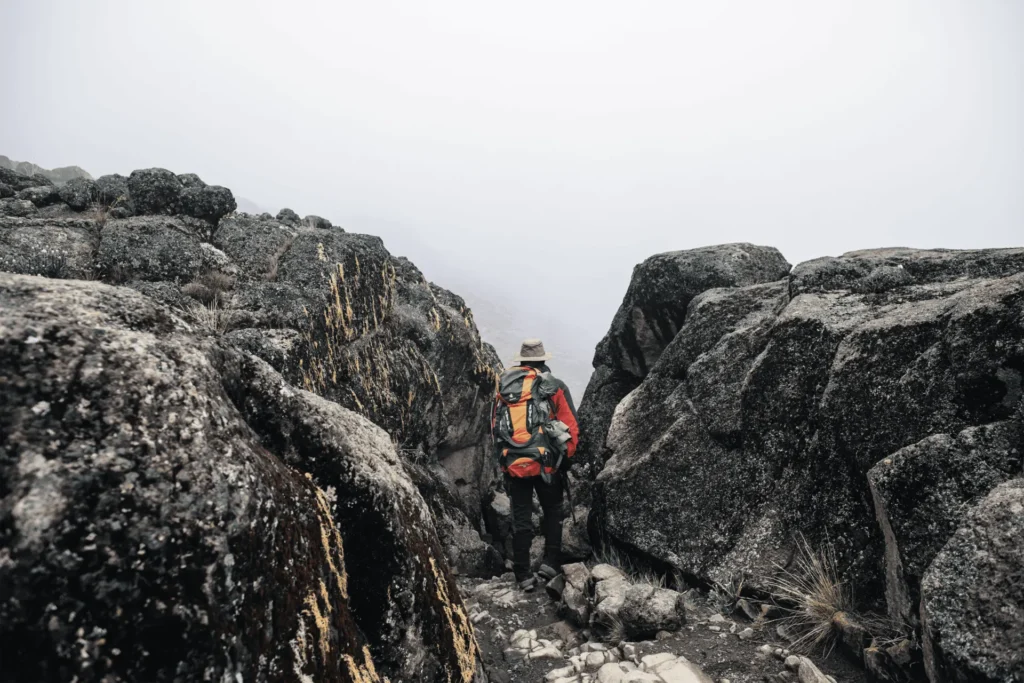
Climbing Mount Kilimanjaro is more than a single day of hiking. It is a journey that begins weeks or even months before you arrive in Tanzania and continues through preparation, trekking, acclimatization, the summit attempt, and finally the celebration at the end.
At 5,895 metres (19,341 feet), Kilimanjaro is Africa’s highest mountain and a serious high-altitude trekking destination. Reaching Uhuru Peak requires physical preparation, appropriate equipment, careful pacing, and enough time for your body to adapt to increasing altitude. High-altitude travel can expose trekkers to reduced oxygen availability, cold temperatures, increased ultraviolet exposure, and altitude illness.
The good news is that you do not have to be an elite mountaineer to prepare for Kilimanjaro. With a sensible plan and the right support, many travellers can undertake the climb successfully.
Here is a practical timeline showing what to focus on from the moment you decide to climb until the moment you celebrate your achievement.
## 3–6 Months Before the Climb: Start Preparing
The earlier you begin preparing, the more comfortable your journey is likely to be.
Three to six months before your climb is a good time to start building your physical endurance if you are not already regularly active.
Kilimanjaro is primarily an endurance challenge. You will spend several consecutive days walking, often for many hours at a time, over uneven terrain and through significant changes in elevation.
Your preparation can include:
* Long-distance walking
* Hiking
* Stair climbing
* Cycling
* Jogging or other cardiovascular exercise
* Leg-strengthening exercises
* Core-strengthening exercises
* Longer weekend hikes
The objective is not to become a professional athlete. Instead, you want your body to become comfortable with sustained physical activity.
If possible, include hills or stairs in your training. Uphill walking helps prepare your legs for climbing, while downhill walking helps condition your muscles for the descent.
Gradually increase the duration and difficulty of your training rather than trying to do everything at once.
### Begin researching Kilimanjaro routes
This is also the ideal time to research the different routes up Mount Kilimanjaro.
Popular routes include Lemosho, Machame, Northern Circuit, Rongai, and Marangu. They differ in scenery, duration, camping arrangements, and altitude profiles.
Do not choose a route simply because it is the shortest or cheapest.
The number of days matters because gradual ascent and acclimatization are important factors in high-altitude trekking. The CDC recommends gradual ascent and additional acclimatization time as sleeping altitude increases.
A longer itinerary may therefore be worth considering if your priority is allowing more time to adapt to the mountain.
## 2–3 Months Before: Plan Your Trip in Detail
Once you have selected your route and approximate dates, start organizing the practical side of your trip.
This includes confirming your trekking company, flights, accommodation, travel insurance, and equipment requirements.
Your trekking operator should provide you with a detailed packing list explaining which equipment is included and what you need to bring yourself.
### Start collecting your trekking equipment
Important items can include:
* Comfortable hiking boots
* Moisture-wicking socks
* Base layers
* Warm insulating layers
* Waterproof outer layers
* Gloves
* Warm hat
* Sun hat
* Sunglasses
* Headlamp
* Daypack
* Water bottles or hydration system
* Sleeping bag appropriate for the conditions
* Sunscreen
* Personal toiletries
* Basic personal medications
Do not leave equipment shopping until the last week.
Buying your boots early gives you time to wear them during training hikes and make sure they are comfortable.
The same applies to your backpack and clothing. Your Kilimanjaro equipment should be tested before you reach the mountain.
## 4–8 Weeks Before: Increase Your Hiking Experience
As your departure approaches, your training should become more specific to the type of activity you will experience on Kilimanjaro.
Try to complete longer hikes and become comfortable spending several hours on your feet.
If you have access to hills, make them part of your preparation.
You can also practise carrying the daypack you expect to use during the climb. Keep it reasonably light and make sure the straps are adjusted properly.
At this stage, you should also be getting comfortable with your trekking clothing and footwear.
### Do not forget recovery
More training is not always better.
Your body needs time to recover, so include rest days in your preparation. Adequate sleep and balanced nutrition are also important.
The goal is to arrive in Tanzania feeling prepared and energetic rather than exhausted from last-minute training.
## 2–4 Weeks Before: Complete Your Health and Travel Preparation
A few weeks before travelling, review your health preparations.
If you have an existing medical condition, take regular medication, or have concerns about high-altitude travel, speak with a qualified healthcare professional before the trip.
The CDC specifically recommends that people with pre-existing heart or lung conditions seek medical advice before travelling to high elevations.
You should also review the health recommendations for Tanzania, including routine vaccinations and other travel-health considerations. The CDC’s Tanzania travel guidance notes that Kilimanjaro’s high altitude can lead to altitude sickness and recommends discussing prevention and treatment with a doctor.
### Check your travel insurance
Make sure your travel insurance is appropriate for your itinerary and includes suitable medical and evacuation coverage.
Mountain environments are different from ordinary city travel, and access to medical care can be more complicated at altitude.
### Confirm your documents
Check that you have:
* Passport
* Appropriate visa or entry documentation
* Travel insurance information
* Flight confirmations
* Accommodation details
* Trekking itinerary
* Emergency contact information
* Copies of important documents
Keep important documents accessible during your journey.
## 1 Week Before: Rest and Final Checks
The final week should not be about trying to dramatically improve your fitness.
Your major physical preparation should already be complete.
Instead, focus on rest, organization, and making sure everything is ready.
Check your equipment one final time.
Make sure your boots are comfortable, your clothing is suitable for different temperatures, and your daypack is properly adjusted.
Prepare the personal items you will need throughout the trek and separate anything you will leave behind at your hotel.
### Arrive in Tanzania with time to settle in
If your itinerary allows, arriving before the climb gives you time to recover from your journey and prepare for the trek without unnecessary rushing.
This can also give you an opportunity to meet your guides, review the itinerary, and ask any final questions.
## Day 1: The Kilimanjaro Adventure Begins
The moment you arrive at the trailhead, the preparation phase becomes reality.
Depending on your chosen route, the first day may take you through the lower forest zones of Kilimanjaro.
The environment can feel very different from the high-altitude landscape you will eventually encounter.
Do not worry about reaching the mountain quickly.
The first day is about establishing a comfortable rhythm.
Walk slowly, listen to your guides, stay hydrated, and enjoy the scenery.
Remember the famous Swahili expression you will hear throughout the trek:
**Pole pole — slowly, slowly.**
This approach is not just cultural advice. A controlled pace helps you conserve energy and avoid unnecessary exertion as you gain altitude.
## Days 2–4: Find Your Rhythm and Acclimatize
The middle section of your trek is where your body begins dealing more seriously with increasing altitude.
You may notice changes in your breathing, sleep, appetite, or energy.
These experiences can vary significantly from one person to another.
This is why acclimatization should be taken seriously.
The CDC recommends gradual ascent at high altitude and advises that people experiencing altitude illness should not continue ascending until their symptoms have improved.
Your guides should monitor your progress and you should communicate honestly about how you feel.
Do not hide symptoms because you are worried about slowing down the group.
Your safety is more important than reaching camp first.
### Enjoy the changing landscapes
One of the extraordinary aspects of climbing Kilimanjaro is the changing environment.
As you ascend, the vegetation and landscape gradually transform. The lush lower slopes give way to moorland, alpine desert, and eventually the cold, high-altitude environment near the summit.
The journey itself is a major part of the experience.
Do not become so focused on Uhuru Peak that you forget to appreciate everything you encounter along the way.
## Days 5–6: Prepare for the Summit
As you approach the upper mountain, the environment becomes increasingly demanding.
The temperatures drop, oxygen availability decreases, and the physical challenge becomes more noticeable.
This is the time to conserve your energy.
Eat your meals, drink regularly, rest when instructed, and keep your equipment organized.
Your guides will explain what to expect from the summit attempt and help you prepare for the early start.
### Think about the summit in small steps
You do not need to mentally climb all the way to Uhuru Peak in one thought.
Instead, focus on the immediate task.
Reach the next point.
Walk to the next rest break.
Continue to the next section of trail.
Then repeat.
This approach can make a long and demanding summit attempt feel more manageable.
## Summit Night: The Biggest Challenge
For many trekkers, summit night is the hardest part of the entire Kilimanjaro experience.
You may begin walking during the night or very early in the morning. Temperatures can be extremely cold, and the altitude makes every step more demanding.
Your guides will establish the pace and help you navigate the route.
This is the moment when everything you have done during the previous months comes together.
Your training.
Your preparation.
Your equipment.
Your acclimatization.
Your patience.
Your mental determination.
### Take altitude symptoms seriously
High altitude can cause illness, and severe symptoms require immediate action.
Warning signs can include confusion, loss of coordination, extreme fatigue, significant breathing difficulty, or severe weakness. Serious altitude illness requires descent to a lower elevation.
Reaching the summit is never more important than your safety.
A responsible trekking team will prioritize your wellbeing and make decisions based on your condition.
## Uhuru Peak: The Celebration
Then comes the moment you have been waiting for.
After days of walking and hours of preparation, you finally reach the summit of Mount Kilimanjaro.
At 5,895 metres, Uhuru Peak is the highest point in Africa.
For many trekkers, reaching the summit is an emotional moment.
You may feel exhausted, excited, relieved, proud, or all of these emotions at once.
Take a moment to appreciate what you have accomplished.
Look across the landscape.
Take your summit photographs.
Celebrate with your trekking team.
You have just completed one of Africa’s most iconic adventures.
But remember that the journey is not over yet.
## Summit Day: Descend Safely
After reaching the summit, you still have to descend.
The descent can be physically demanding, particularly after the effort of summit night.
Follow your guides and maintain a controlled pace.
Eat, drink, and rest when appropriate.
Your body has worked hard, so give it time to recover.
The CDC advises that people experiencing worsening altitude symptoms should descend rather than continuing to higher elevations.
Descending to lower altitude is also an important part of recovery after spending time near the summit.
## The Day After: Recovery and Reflection
Once you return from the mountain, give yourself time to recover.
You may experience tired legs, sore muscles, or general fatigue after several days of trekking.
Take it easy.
Eat well, hydrate, sleep, and allow your body to recover.
If you are combining your Kilimanjaro climb with a Tanzania safari, it is sensible to allow some recovery time before beginning a demanding travel schedule.
The transition from mountain trekking to relaxing at a lodge or enjoying a safari can be a wonderful way to continue your Tanzanian adventure.
## The Final Celebration: Remember the Journey
Your Kilimanjaro experience does not end when you leave the mountain.
The photographs, stories, friendships, landscapes, and memories can stay with you for years.
Take time to thank your guides and support team. Their knowledge and experience can play an important role in helping trekkers navigate the mountain safely.
Reflect on the journey from your first training hike to the moment you stood at Uhuru Peak.
You did not reach the summit in a single step.
You reached it through hundreds of small decisions: preparing properly, walking patiently, resting when necessary, adapting to altitude, and continuing one step at a time.
## Final Thoughts
A successful Kilimanjaro climb begins long before you reach Tanzania.
Months before your trek, you build your endurance and choose the right route. Weeks before departure, you organize your equipment, health preparations, travel documents, and insurance. Once you arrive, the focus shifts to acclimatization, pacing, hydration, nutrition, and listening to your guides.
Then comes the summit attempt—the moment when preparation meets determination.
Finally, after the descent, comes the celebration.
The most important lesson is that Kilimanjaro is a journey rather than a single destination. The summit is the ultimate goal, but every stage contributes to the experience.
Prepare patiently.
Climb **pole pole**.
Respect the altitude.
Trust your guides.
Enjoy the journey.
And when you finally stand on Uhuru Peak, take a moment to celebrate—not only reaching the Roof of Africa, but everything you did to get there.