+255 787 369 888
info@kilimanjaroexperience.com
Planning a safari in Tanzania begins with one important question: When is the best time to visit Tanzania?
The answer depends largely on what you want to see and experience.
Tanzania is a year-round safari destination, but each month brings different weather conditions, wildlife movements, landscapes, and safari opportunities. Some months are particularly popular for the Great Wildebeest Migration, while others can provide excellent wildlife viewing with fewer visitors and potentially more attractive rates.
From the dry-season landscapes of the Serengeti to the lush scenery of the green season, every period offers something different.
The best time for a Tanzania safari therefore depends on your priorities. Whether you want to witness the Great Migration, see predators in action, enjoy excellent general wildlife viewing, photograph green landscapes, or combine your safari with Mount Kilimanjaro and Zanzibar, understanding Tanzania’s seasons can help you choose the right time for your adventure.
Before looking at each month individually, it helps to understand Tanzania’s broad seasonal pattern.
The beginning of the year is generally part of Tanzania’s greener period. The landscapes can be lush, while the southern Serengeti becomes an important area for the wildebeest breeding and calving cycle.
This period can be excellent for travellers interested in newborn wildlife, dramatic landscapes, photography, and fewer crowds.
March, April, and May generally bring Tanzania’s long-rain season.
Rainfall can make some safari roads more challenging, but it also transforms the landscape into a vibrant green environment.
For travellers who do not mind occasional rain and prefer a quieter safari experience, this period can offer significant advantages.
June through October is one of the most popular periods for a Tanzania safari.
Wildlife can be easier to spot around water sources, vegetation is generally less dense, and conditions are often favourable for game drives.
This is also an important period for migration-related safari experiences in the Serengeti.
The short rains typically arrive toward the end of the year.
These rains are often shorter and more localized than the long rains, bringing fresh greenery back to the landscape.
For many travellers, November and December can be attractive shoulder-season months for experiencing Tanzania.
January can be an excellent time to visit Tanzania, particularly if you are interested in the wildebeest migration and newborn animals.
During this period, large numbers of wildebeest are typically found in the southern Serengeti and surrounding areas as the herds follow fresh grazing.
The landscape can be green and beautiful following seasonal rains.
One of the major attractions is the beginning of the wildebeest calving period. The presence of young animals also attracts predators, creating opportunities for dramatic wildlife encounters.
January can also be a rewarding month for birdwatching, with many migratory birds present.
Great Migration enthusiasts
Wildlife photographers
Birdwatchers
Travellers who enjoy green landscapes
Visitors looking for a quieter safari experience
February is often one of the most exciting months for travellers interested in the Great Migration.
Large numbers of wildebeest gather in the southern Serengeti ecosystem, where calving takes place.
The combination of abundant wildlife, young animals, predators, and green scenery makes February particularly rewarding for photographers and wildlife enthusiasts.
The weather is generally warm, and although showers can occur, they contribute to the productive green landscape.
If your priority is experiencing the wildebeest calving season rather than river crossings, February can be an excellent time to visit Tanzania.
Wildebeest calving
Predator sightings
Wildlife photography
Green-season safaris
Wildlife enthusiasts
March generally marks the transition toward the long-rain period.
The Serengeti can remain beautifully green, and wildlife is still abundant.
For travellers who prefer quieter safari experiences, March can be appealing because visitor numbers may be lower than during the peak dry-season months.
Rain can occur more frequently, but showers do not necessarily mean that the entire day will be wet. Safari conditions can change quickly, and dramatic skies can create excellent photographic opportunities.
March can also be a good month for travellers who want to experience Tanzania without the busiest-season atmosphere.
Green landscapes
Photography
Quieter safaris
Flexible travellers
Travellers looking for a different safari atmosphere
April is generally one of the wetter months in Tanzania.
If your main priority is predictable dry weather, April may not be your preferred month.
However, the month also has several advantages.
The countryside can be exceptionally green, wildlife remains present, and safari areas can feel considerably quieter.
For travellers who are comfortable with occasional rain, April can offer a more peaceful safari experience.
Instead of the dry and dusty landscapes associated with peak safari season, you may see lush vegetation, dramatic clouds, fresh flowers, and vibrant scenery.
Budget-conscious travellers
Wildlife photographers
Green-season enthusiasts
Travellers who prefer fewer crowds
Visitors comfortable with occasional rain
May generally remains part of the long-rain period, although conditions can vary from year to year.
The landscape is still green and vibrant, while visitor numbers can remain relatively low compared with the peak safari season.
Some roads can become more challenging because of rainfall, so careful itinerary planning is particularly important.
The advantage is that travellers who choose May can experience Tanzania’s wilderness in a quieter atmosphere.
If you are flexible about weather and are more interested in scenery, photography, and a peaceful safari than predictable sunshine every day, May can be worth considering.
Quieter safari experiences
Green landscapes
Wildlife photography
Flexible travellers
Visitors seeking a peaceful atmosphere
June is an exciting time to visit Tanzania because the dry season begins to establish itself.
Rainfall generally decreases, vegetation starts becoming less dense, and wildlife-viewing conditions improve.
The Serengeti becomes particularly attractive as the migration progresses northward.
June can also be an excellent month for combining a Tanzania safari with other experiences, including Mount Kilimanjaro.
With comfortable conditions and increasingly reliable wildlife viewing, June marks the beginning of one of Tanzania’s most popular safari periods.
General wildlife viewing
Great Migration safaris
Mount Kilimanjaro and safari combinations
Dry-season conditions
First-time safari travellers
July is one of the most popular months for a Tanzania safari.
The dry weather generally makes game drives comfortable, while thinner vegetation can make animals easier to spot.
In the Serengeti, the Great Migration is often moving through northern areas during this period, although the exact timing and location of the herds vary from year to year.
River crossings are among the most famous events associated with the Great Migration. However, they are natural events and cannot be guaranteed on a particular day.
July is also a popular time for travellers combining Tanzania with Kenya’s Maasai Mara.
Because July is a peak travel period, booking accommodation and safari arrangements well in advance is advisable.
Great Migration experiences
Classic safari conditions
Wildlife viewing
First-time safari travellers
Travellers combining Tanzania and Kenya
August continues the dry season and is another highly popular month for visiting Tanzania.
Water becomes increasingly important to wildlife, which can make animals easier to locate around rivers, lakes, and waterholes.
The Serengeti can provide exceptional game viewing, while the northern safari circuit offers opportunities to visit destinations such as Ngorongoro and Tarangire.
Migration activity can also be concentrated in northern Serengeti areas during this period.
As wildlife movements depend on natural conditions, no responsible safari operator should promise an exact migration event on a specific date.
General wildlife viewing
Great Migration safaris
Families
Wildlife photographers
First-time visitors
September is another popular month for a Tanzania safari.
The weather is generally dry, wildlife viewing can be outstanding, and visitor numbers may begin to ease slightly compared with the busiest parts of the season.
The Serengeti remains a major attraction, while other national parks can also provide excellent game-viewing opportunities.
September can be particularly attractive for travellers who want the advantages of the dry season without necessarily travelling during the busiest part of the summer holiday period.
Wildlife viewing
Photography
Couples
Families
Dry-season safaris
October generally remains dry, although temperatures and conditions vary depending on the location.
Wildlife continues to gather around available water sources, and game drives can be highly rewarding.
The Serengeti remains an excellent choice, while destinations such as Tarangire can become particularly interesting as animals concentrate around water.
October can also be a good time for travellers looking for a balance between wildlife viewing and somewhat lower visitor numbers than during the busiest months.
Wildlife viewing
Photography
Dry-season safari experiences
Quieter safari conditions
Safari combinations
November generally brings the beginning of Tanzania’s short-rain period.
The arrival of rain can transform the landscape, bringing fresh greenery after the dry months.
For some travellers, this makes November particularly attractive.
The rains can also result in fewer visitors than during the peak dry-season months.
Safari conditions can vary, but rainfall does not necessarily prevent excellent wildlife viewing. Short showers can pass quickly, while changing weather can create dramatic skies and beautiful photographic conditions.
Green landscapes
Photography
Birdwatching
Fewer crowds
Travellers interested in the green season
December offers another opportunity to experience Tanzania during the green season.
The landscape becomes increasingly vibrant as seasonal rains provide fresh vegetation.
Wildlife remains abundant, and the Serengeti continues to offer excellent safari possibilities.
December can be particularly attractive for families and travellers planning a holiday around the festive season.
If you are travelling during Christmas and New Year, it is important to book your accommodation and safari well in advance because demand can increase significantly.
Festive holidays
Family safaris
Green landscapes
Wildlife viewing
Combining a safari with Zanzibar
There is no single best month for the Great Migration.
The migration is a continuous natural movement that changes according to rainfall, grazing conditions, and the location of the herds.
Different parts of the Serengeti therefore become important at different times of the year.
If you want to experience the calving season, January and February can be particularly interesting.
If your goal is to see the migration moving through the central and northern Serengeti, the middle and later months of the year can be more appropriate.
River crossings are generally associated with the northern Serengeti during part of the dry season, but they are unpredictable. Animals may cross at any time or wait for hours or days before making a crossing.
For this reason, it is better to plan around the general seasonal movement of the migration rather than expecting a guaranteed spectacle on a specific date.
For a first safari, the dry season from approximately June to October can provide favourable conditions for wildlife viewing.
The weather is generally more predictable, vegetation can be thinner, and wildlife is often easier to spot around water sources.
However, the rest of the year also offers unique safari experiences.
January and February can provide spectacular wildlife experiences around the southern Serengeti.
November and December can offer beautiful green landscapes and potentially fewer visitors.
April and May can appeal to travellers who prioritize quieter experiences and potentially lower prices.
Ultimately, the right time depends on what you want from your Tanzania safari.
Consider January and February for the wildebeest calving season, or the middle to later months of the year for migration activity farther north.
The dry season, particularly June to October, generally provides favourable wildlife-viewing conditions.
The best timing depends on your preferred photography style.
The dry season can provide clear visibility and concentrated wildlife, while the green season can offer lush landscapes, dramatic skies, fresh vegetation, and vibrant scenery.
Consider the green and shoulder seasons if you prefer a quieter safari experience, although visitor numbers and conditions vary by destination.
The wetter and greener months can be particularly rewarding because of migratory birds, fresh vegetation, and active birdlife.
Tanzania can be combined with Zanzibar throughout much of the year.
Your ideal timing will depend on the safari conditions you prefer as well as the type of beach experience you want.
The drier months are often popular for combining a Mount Kilimanjaro climb with a Tanzania safari.
However, the ideal timing depends on your preferred mountain conditions and safari priorities.
Yes, Tanzania can offer worthwhile safari experiences throughout the year.
While certain months are more popular than others, every season has its own advantages and trade-offs.
Peak dry-season months can provide excellent wildlife viewing and more predictable conditions, but they may also bring more visitors and higher demand.
Green-season months can offer lush landscapes, fewer crowds, and excellent photographic opportunities, although rainfall is more likely.
There is no universally perfect month for a Tanzania safari.
There is only the period that best matches your safari priorities.
When deciding when to visit Tanzania, consider the following questions:
Do you want to see the Great Migration?
Are you interested in the wildebeest calving season?
Do you want the best possible conditions for general wildlife viewing?
Do you prefer dry landscapes or lush green scenery?
Are you comfortable travelling during the rainy season?
Do you want to avoid the busiest travel periods?
Are you looking for potentially lower safari prices?
Do you want to combine your safari with Mount Kilimanjaro?
Do you want to finish your trip with a beach holiday in Zanzibar?
Are photography and birdwatching important parts of your trip?
Your answers can help determine which season and month best suit your Tanzania safari.
The best time for a Tanzania safari depends on what you want to experience.
For classic dry-season wildlife viewing, June to October can provide excellent safari conditions.
For the wildebeest calving season, January and February can be particularly rewarding.
For green landscapes and quieter safari experiences, the wetter months can offer a completely different perspective of Tanzania’s wilderness.
For travellers looking for a more extensive Tanzanian adventure, a safari can also be combined with a Mount Kilimanjaro climb and a relaxing beach holiday in Zanzibar.
Rather than asking only, “What is the best month to visit Tanzania?”, ask a more useful question:
“What do I want to see and experience during my safari?”
Once you answer that question, choosing the right time becomes much easier.
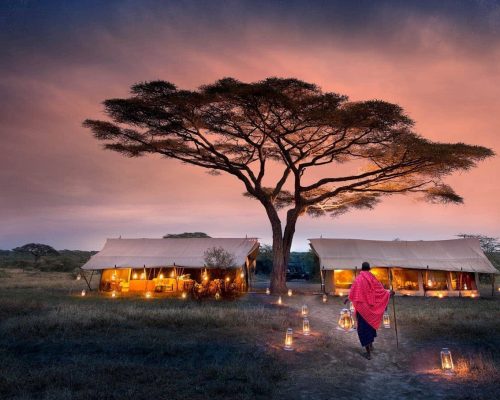
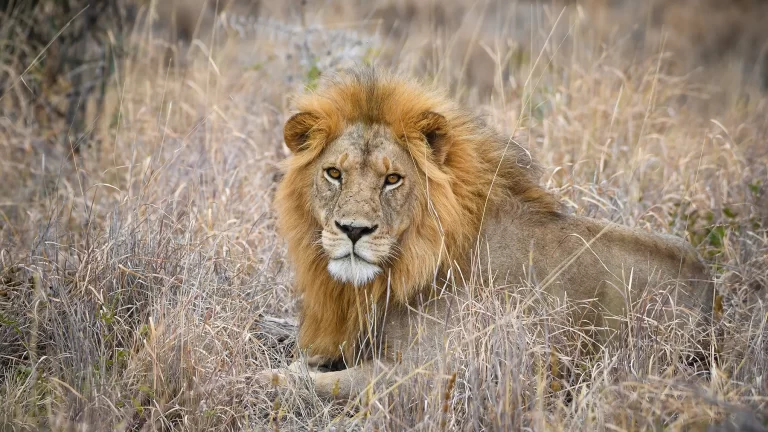
Whether you are watching wildebeest move across the Serengeti, following lions through the golden grass, observing elephants beneath towering baobabs, or enjoying the sunset from a luxury safari camp, Tanzania offers memorable experiences throughout the year.
The perfect time to visit is ultimately the time that allows you to experience the Tanzania you have been dreaming about.