+255 787 369 888
info@kilimanjaroexperience.com
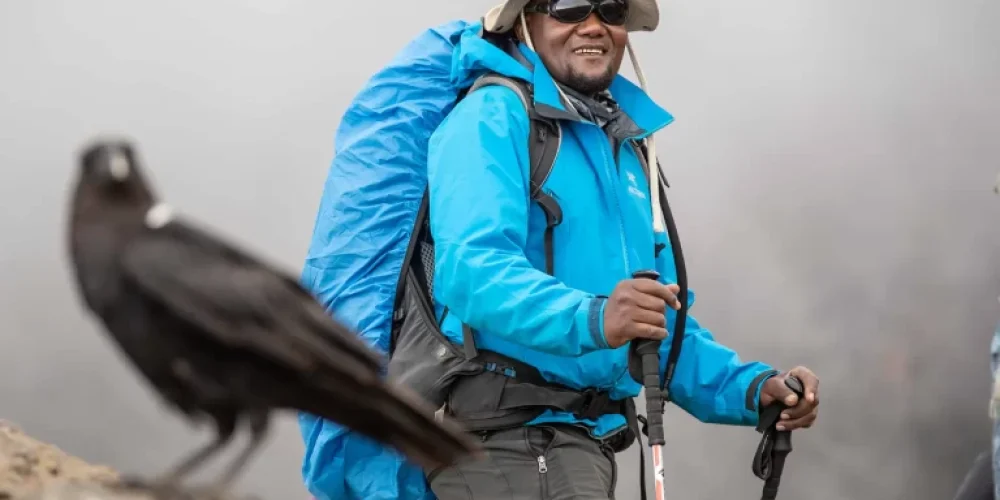
Acclimatization is the process through which your body gradually adapts to lower oxygen availability at high altitude.
As you climb higher, atmospheric pressure decreases. Although the percentage of oxygen in the air remains roughly the same, there is less oxygen available with each breath. Your body responds by making several physiological adjustments to help deliver oxygen to your tissues.
These changes take time.
That is why climbing Mount Kilimanjaro gradually is so important. Rather than attempting to gain a large amount of altitude in a short period, a well-planned itinerary allows your body to adjust progressively.
The Centers for Disease Control and Prevention (CDC) identifies gradual ascent as one of the key ways to reduce the risk of altitude illness. It also notes that altitude illness can affect travellers at elevations above approximately 2,500 metres (8,000 feet).
The higher you climb on Kilimanjaro, the more your body has to work to obtain enough oxygen.
If you ascend faster than your body can adapt, you may develop symptoms of altitude illness.
The most common form of altitude illness is acute mountain sickness (AMS).
Symptoms can include:
Headache
Tiredness
Loss of appetite
Nausea
Vomiting
Difficulty sleeping
Not everyone experiences altitude sickness in the same way, and previous experience at altitude does not guarantee that you will have the same experience on your next climb.
More serious altitude-related conditions can also occur. Severe symptoms such as confusion, loss of coordination, extreme fatigue, significant shortness of breath, or weakness require immediate attention and descent.
This is why acclimatization should never be treated as a minor part of your Kilimanjaro preparation.
When you move to a higher elevation, your body begins making adjustments in response to the lower oxygen availability.
Your breathing rate can increase, your heart may work harder to transport oxygen, and over time your body makes additional adaptations that help improve oxygen delivery.
These processes do not happen instantly.
The first few days at increasing altitude are particularly important because your body is still adjusting to the new environment. This is one reason a gradual Kilimanjaro itinerary can be preferable to a rushed climb.
The CDC recommends gradual ascent and advises travellers not to continue ascending when experiencing symptoms of altitude illness.
Your choice of route can influence how your body experiences the climb.
Kilimanjaro has several established routes, including:
Lemosho Route
Machame Route
Northern Circuit
Rongai Route
Marangu Route
Each route has its own characteristics, scenery, camping arrangements, trekking duration, and altitude profile.
For trekkers who are particularly concerned about acclimatization, the number of days on the mountain should be one of the factors considered when choosing an itinerary.
A longer climb generally provides more time for gradual ascent and adjustment. This does not mean that a longer route guarantees that you will avoid altitude illness, but it can provide a more gradual approach to high elevations.
The Lemosho Route is particularly popular because it offers a longer approach to the summit and passes through some of Kilimanjaro’s scenic landscapes.
When comparing routes, look beyond the number of kilometres covered each day. Pay attention to how quickly the itinerary gains altitude and where you will sleep each night.
One phrase you will hear repeatedly on Kilimanjaro is “pole pole.”
In Swahili, it means “slowly, slowly.”
This philosophy is central to climbing Kilimanjaro successfully.
You may feel strong during the first few days and be tempted to walk quickly. However, conserving energy and maintaining a steady pace can be much more useful than trying to finish each day’s hike as quickly as possible.
Walking slowly allows you to maintain a manageable effort over long periods and gives your body time to adjust as you gain elevation.
Your mountain guides will generally establish the trekking pace. Following their instructions is important because experienced guides understand the mountain’s terrain and the demands of high-altitude trekking.
Another useful concept in high-altitude trekking is “climb high, sleep low.”
This involves gaining altitude during the day and returning to a lower elevation to sleep when the itinerary allows it.
The principle is used because sleeping altitude is an important part of acclimatization. The CDC notes that spending time at higher elevations during the day and returning to a lower elevation to sleep can be part of an approach to adapting to altitude.
On Kilimanjaro, the exact application depends on the route and itinerary.
Your guides may organize acclimatization walks that take you to a higher elevation before returning to camp.
These additional walks can also help your trekking team observe how you are responding to altitude before you reach the highest sections of the mountain.
There is no single number of days that guarantees successful acclimatization.
Different people respond differently to altitude, and your previous experience, health, ascent rate, sleeping altitude, and itinerary can all influence how you respond.
However, one of the most important principles is to avoid rushing.
Shorter itineraries may involve faster altitude gain, while longer itineraries can allow more time for gradual adjustment.
When choosing your Kilimanjaro package, consider the itinerary carefully rather than simply selecting the shortest or cheapest option.
Adding an extra day to your climb may mean spending more time and money, but it can also provide additional time for your body to adapt and allow you to enjoy the mountain at a more comfortable pace.
No.
Being physically fit is extremely valuable for Kilimanjaro because trekking involves long days of walking, elevation gain, uneven terrain, and a demanding summit attempt.
However, fitness does not eliminate the risk of altitude illness.
A very fit person can still experience altitude sickness if they ascend too quickly.
Conversely, someone who is not an elite athlete may successfully reach the summit if they prepare appropriately, follow a sensible pace, and acclimatize well.
This is why Kilimanjaro should not be approached as a competition.
Your goal is not to prove how quickly you can climb.
Your goal is to allow your body to adapt while conserving enough energy for the summit.
There are several sensible ways to support your acclimatization process.
Gradual ascent is one of the most important factors. Avoid itineraries that require you to gain altitude too quickly.
Follow the pace set by your guides and avoid unnecessary bursts of speed.
Drink fluids regularly throughout the trekking day. Your guides can help you establish an appropriate routine.
Your body needs energy during the climb. Even if your appetite changes at altitude, try to maintain regular meals and snacks.
Rest is an important part of recovery. Use time at camp to relax and prepare for the next trekking day.
Tell your guides if you experience symptoms such as persistent headache, nausea, dizziness, unusual tiredness, or difficulty breathing.
Early communication gives the trekking team an opportunity to assess the situation.
The response depends on the severity of the symptoms.
Mild symptoms should not simply be ignored. The CDC advises that people experiencing altitude illness should not continue ascending until their symptoms have resolved. If symptoms worsen while resting, descent is necessary.
Severe altitude illness requires immediate descent and medical attention.
For example, confusion, loss of coordination, extreme fatigue, or serious breathing difficulties can indicate a potentially dangerous condition.
This is why professional mountain support matters.
A responsible trekking team should prioritize your safety rather than treating the summit as more important than your wellbeing.
Turning around is not a failure if your health requires it.
The mountain will still be there.
You can prepare your body physically before travelling, but there is no simple way to completely acclimatize to Kilimanjaro while living at sea level.
Fitness training can prepare your muscles, cardiovascular system, and endurance for trekking, but it does not replace gradual exposure to altitude.
If you have previously spent time at high altitude, you may have some understanding of how your body responds, but previous experience does not guarantee the same response on every trip.
The best preparation is therefore to combine good physical conditioning with a carefully planned itinerary.
Travellers with existing heart or lung conditions, diabetes, or other medical concerns should speak with a healthcare professional before travelling to high altitude.
The final ascent of Kilimanjaro is often the most demanding part of the climb.
By summit day, you have already spent several days trekking at increasing elevations. The summit itself is 5,895 metres above sea level, and conditions near the top can be