+255 787 369 888
info@kilimanjaroexperience.com
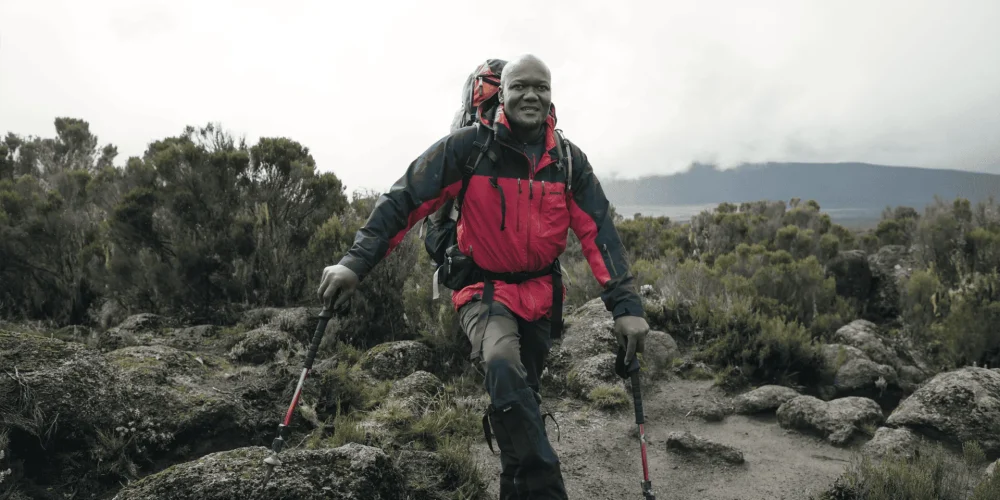
Standing at 5,895 metres (19,341 feet), Mount Kilimanjaro is the highest mountain in Africa and one of the world’s most rewarding trekking destinations. Every year, trekkers from around the world travel to Tanzania with the goal of reaching Uhuru Peak and experiencing the remarkable landscapes of Kilimanjaro.
However, reaching the summit is not simply a matter of physical strength. Kilimanjaro is a high-altitude mountain, and a successful climb depends on proper preparation, acclimatization, pacing, mental resilience, and making responsible decisions throughout the trek.
Whether you are preparing for your first Kilimanjaro climb or returning for another adventure, these five essential tips can help you prepare properly and give yourself the best possible opportunity for a successful summit attempt.
One of the most important decisions you will make before climbing Kilimanjaro is choosing the right route and itinerary. Kilimanjaro has several established routes, including the Lemosho Route, Machame Route, Rongai Route, Northern Circuit, and Marangu Route. Each route offers a different trekking experience, scenery, difficulty level, and number of days on the mountain.
For summit success, one factor deserves particular attention: acclimatization.
As you climb higher, the amount of available oxygen decreases, and your body needs time to adjust to the changing environment. Altitude illness can occur at elevations above approximately 2,500 metres, and physical fitness alone does not prevent it. Gradual ascent and allowing sufficient time for your body to adapt are important parts of responsible high-altitude trekking.
This is why rushing up Kilimanjaro can be counterproductive. A longer itinerary can provide your body with more time to adjust to increasing altitude and may make the overall trekking experience more manageable.
Routes such as the Lemosho Route are popular among trekkers who prefer a longer approach and a gradual ascent before reaching the summit. When comparing Kilimanjaro climbing packages, therefore, do not look only at the price or the number of trekking days. Pay close attention to how the itinerary handles altitude gain and acclimatization.
A well-planned itinerary can make a significant difference to your experience on the mountain.
Altitude sickness can cause symptoms such as headache, tiredness, nausea, loss of appetite, and vomiting. More serious altitude-related conditions can become dangerous and may require immediate descent.
The key lesson is simple: give your body enough time to adjust to altitude.
Choosing a route with an appropriate acclimatization profile is one of the most important decisions you can make before beginning your Kilimanjaro trek.
You do not need to be an elite athlete to climb Mount Kilimanjaro, but you should arrive in Tanzania physically prepared for several consecutive days of hiking.
Kilimanjaro trekking is primarily an endurance challenge. You may spend many hours walking each day, often across uneven terrain and through significant changes in elevation. Your preparation should therefore focus on building cardiovascular endurance and getting your legs accustomed to sustained walking.
Good preparation can include:
Long-distance walking
Hiking
Stair climbing
Cycling
Jogging and other cardiovascular activities
Leg-strengthening exercises
Core-strengthening exercises
Weekend hikes that gradually become longer
If you are not currently active, begin gradually rather than attempting extremely demanding workouts immediately. The objective is to develop the ability to keep moving comfortably for several hours while maintaining a steady pace.
If you have access to hills, trails, or stairs, include them in your training programme. Walking uphill helps your legs become accustomed to climbing, while downhill walking prepares your muscles for the descent.
Hiking on uneven surfaces can also help you become more comfortable with the type of terrain you may encounter during a Kilimanjaro climb.
It is also useful to practise with the footwear, socks, and daypack you intend to use during your trek. This gives you an opportunity to identify problems before you arrive on the mountain.
You do not want to discover halfway through your climb that your boots are uncomfortable, your socks cause blisters, or your backpack is poorly adjusted.
Your preparation should also include adequate rest. Arriving at Kilimanjaro exhausted from excessive training is not an advantage.
Give your body enough time to recover before the trek and prioritize adequate sleep, nutrition, and general wellbeing. The goal is to arrive at the mountain prepared and energized, rather than physically worn out.
One of the most important lessons for climbing Mount Kilimanjaro is that slow and steady is the right approach.
You may notice that your mountain guides walk at a pace that initially feels surprisingly slow. There is a reason for this. Kilimanjaro is not a race.
A controlled pace helps you conserve energy over multiple trekking days and gives your body more time to adjust to increasing altitude.
You may feel energetic during the first few hours of a trekking day and be tempted to walk faster. Resist that temptation. Instead, establish a comfortable rhythm that you can maintain for several hours.
Your guides have experience on the mountain and understand the importance of pacing, acclimatization, and monitoring trekkers. Follow their instructions and communicate with them throughout the trek.
You will often hear the Swahili phrase “pole pole” while climbing Kilimanjaro. It means “slowly, slowly” and perfectly captures the approach required for a responsible and sustainable trek.
The mountain rewards patience.
Walking slowly does not mean that you are weak or falling behind. It means you are managing your energy intelligently and giving your body time to adapt.
This becomes particularly important during the final summit attempt, when altitude, cold temperatures, darkness, and fatigue can make the climb significantly more demanding.
Your body will be working hard throughout the climb, so proper nutrition and hydration are important parts of Kilimanjaro preparation.
Drink regularly during trekking days and eat your meals consistently. Your trekking team can advise you about eating and drinking according to the day’s conditions and your individual needs.
It is also helpful to bring familiar high-energy snacks that you enjoy eating while hiking. Examples include nuts, dried fruit, energy bars, crackers, or other convenient foods.
Do not wait until you are completely exhausted before eating. Maintaining your energy throughout the day can help you manage long trekking stages more comfortably.
Kilimanjaro’s environment can expose you to strong sunlight, particularly at higher elevations. Proper sun protection should therefore be part of your trekking equipment.
Pack sunscreen, sunglasses, a hat, and appropriate protective clothing. Protecting your skin and eyes can make the trekking experience more comfortable, particularly during long days outdoors.
Mount Kilimanjaro passes through several ecological zones, and temperatures can change dramatically as you climb.
You may begin your trek in relatively warm conditions and eventually experience freezing temperatures near the summit. A good layering system allows you to adapt as the environment changes.
Make sure you have appropriate warm clothing, gloves, a hat, and other equipment suitable for cold conditions. Staying warm and comfortable can make a significant difference to your energy and morale during the trek.
Altitude can affect appetite, and some trekkers may find that they do not feel like eating as much as usual. However, your body still needs energy during the climb.
Try to maintain regular meals and keep easy-to-eat snacks available during the day. If you begin feeling unwell or notice significant changes in your appetite, inform your guide so they can monitor your condition and provide appropriate assistance.
For many trekkers, summit day is the most demanding part of the entire Kilimanjaro experience.
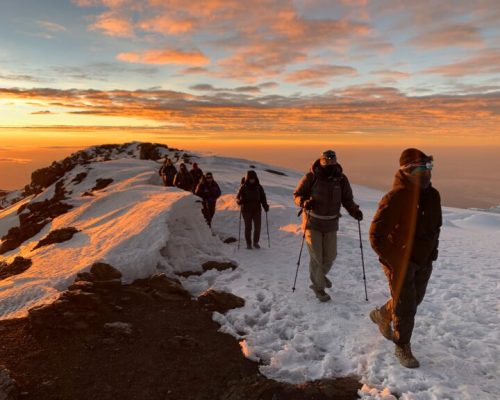
The summit attempt typically begins during the night or very early in the morning, depending on the itinerary. You will be walking in darkness and cold conditions at an altitude where the air contains significantly less oxygen than at sea level.
This is where mental preparation becomes particularly important.
You may experience moments when the mountain feels extremely difficult and the summit seems very far away. Instead of thinking about the entire climb at once, focus on the next step, the next break, or the next section of the trail.
It is normal for the summit attempt to feel challenging. The combination of altitude, cold temperatures, darkness, limited sleep, and physical exertion can make the final ascent demanding.
Do not automatically interpret difficulty as failure.
Listen to your guides, maintain a steady pace, take appropriate breaks, and communicate honestly about how you are feeling throughout the climb.
At the same time, mental determination should never mean ignoring serious symptoms.
Altitude illness can become serious. Warning signs can include worsening symptoms, confusion, severe fatigue, loss of coordination, significant shortness of breath, weakness, or coughing.
Serious altitude-related symptoms require immediate attention and may require descent from higher elevations.
Your primary goal should always be to return safely. Reaching the summit is an achievement, but it should never come at the expense of your health and safety.
Your choice of trekking company can have a major impact on your overall Kilimanjaro experience.
A professional operator should provide experienced mountain guides, appropriate support staff, suitable meals, reliable equipment, and a properly planned itinerary.
Before booking your climb, ask important questions about the services and safety procedures included in your package.
Before choosing a Kilimanjaro trekking operator, consider asking about:
The number of days on the mountain
The route and acclimatization schedule
Guide experience
Emergency procedures
Communication systems
Accommodation before and after the trek
Equipment provided by the operator
Equipment you need to bring yourself
Procedures if you become unwell
Travel and evacuation insurance requirements
Do not choose a Kilimanjaro climb based solely on the cheapest price. A properly organized expedition is an investment in your safety, comfort, preparation, and overall mountain experience.
Your preparation should begin well before you arrive in Tanzania.
Start by choosing an appropriate route and itinerary. Then build your fitness gradually, practise hiking, organize your trekking equipment, and learn about the challenges associated with high-altitude travel.
If you have a medical condition or concerns about high-altitude travel, speak with a qualified healthcare professional before your trip. Travellers with certain pre-existing heart or lung conditions may need specific medical advice before travelling to high elevations.
You should also understand the symptoms of altitude illness before beginning your trek. Being informed allows you to recognize potential problems early and make responsible decisions while on the mountain.
Your equipment should be suitable for changing weather conditions, long hiking days, and cold temperatures near the summit.
Important items may include comfortable hiking boots, moisture-wicking socks, warm layers, waterproof clothing, gloves, a hat, sunglasses, sunscreen, a daypack, and suitable personal trekking essentials.
Testing your equipment before travelling to Tanzania can help you identify and solve problems before the climb begins.
A successful Kilimanjaro summit attempt is the result of preparation, patience, teamwork, and respect for the mountain.
Start by choosing an itinerary that gives your body sufficient time to acclimatize. Train consistently so you can handle long days of walking. Once on the mountain, follow the principle of pole pole and conserve your energy rather than trying to move quickly.
Stay hydrated, eat regularly, protect yourself from the sun and cold, and prepare mentally for the demanding summit attempt.
Most importantly, listen to your guides and communicate whenever something does not feel right.
Mount Kilimanjaro does not need to be climbed in a hurry. Take your time, enjoy the landscapes, trust the process, and focus on one step at a time.
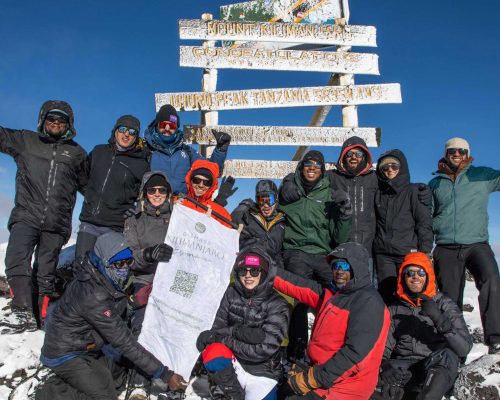
With proper preparation and a responsible approach to altitude, you can give yourself the best possible opportunity to stand on Uhuru Peak—the Roof of Africa—and experience one of Tanzania’s greatest adventures.