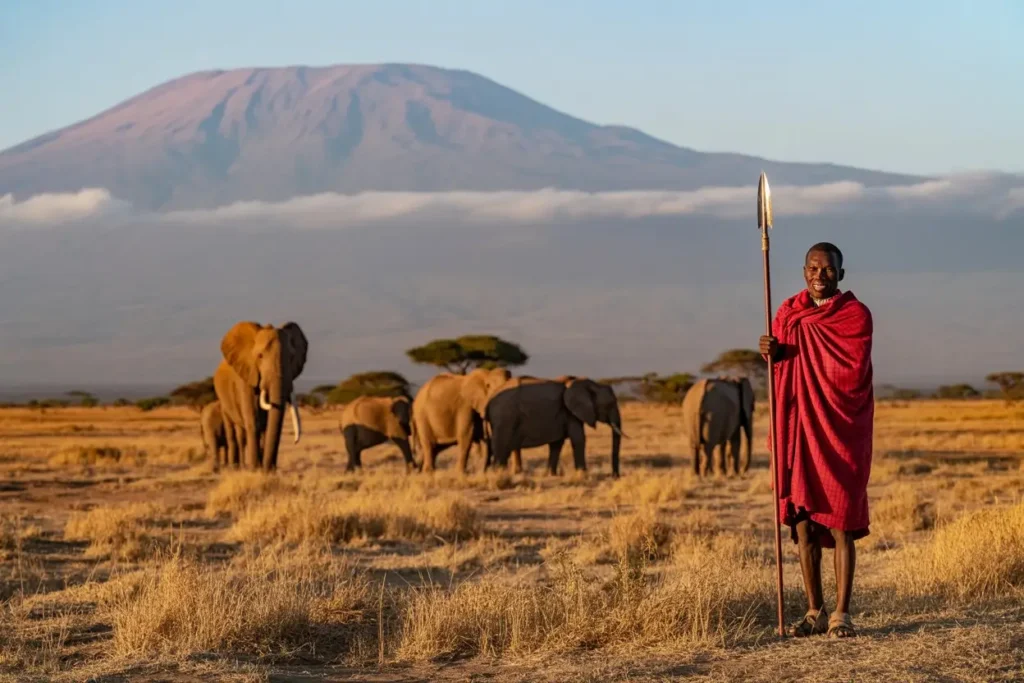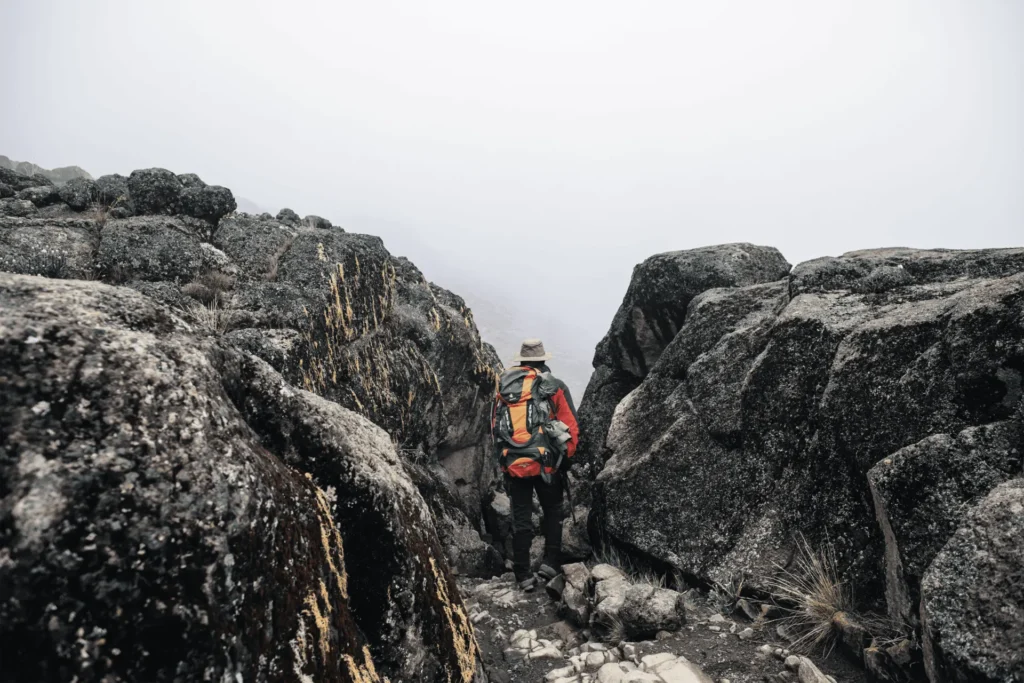
Climbing Mount Kilimanjaro is an unforgettable adventure, but reaching the summit requires more than determination and good hiking equipment. At 5,895 metres (19,341 feet) above sea level, Mount Kilimanjaro exposes trekkers to significant changes in altitude, temperature, terrain, and oxygen availability. Understanding the health requirements for climbing Kilimanjaro is therefore an important part of preparing for a safe and enjoyable trek.
The good news is that you do not necessarily need to be an elite athlete to climb Kilimanjaro. Many people with reasonable fitness levels successfully reach the summit each year. However, you should understand your own health, prepare your body for several days of walking, and speak with a qualified healthcare professional if you have an existing medical condition or concerns about travelling to high altitude.
One of the biggest health considerations on Kilimanjaro is altitude. As you climb higher, the air contains less available oxygen, and your body needs time to adapt. Altitude illness can affect people regardless of age, fitness, or previous hiking experience. The pace of ascent and the amount of time spent acclimatizing are therefore extremely important.
## Do You Need a Medical Examination Before Climbing Kilimanjaro?
There is no single medical test that guarantees that someone is fit to climb Mount Kilimanjaro. However, a pre-travel medical consultation is strongly recommended, particularly if you have a chronic medical condition, take regular medication, or have concerns about how your body may respond to high altitude.
A doctor or travel-health professional can review your medical history and discuss the specific demands of your Kilimanjaro itinerary. This is particularly important for travellers with heart or lung conditions, diabetes, or other chronic illnesses because high-altitude environments can place additional demands on the body.
Ideally, arrange this consultation several weeks before travelling. This gives you enough time to discuss vaccinations, medications, existing health conditions, fitness preparation, and any other travel-health considerations.
If you regularly take prescription medication, make sure you have enough for the entire trip and carry it appropriately. It is also useful to keep a record of your medications and relevant medical information with you while travelling.
## What Level of Fitness Do You Need for Kilimanjaro?
You do not need to be a professional mountaineer to climb Kilimanjaro. However, you should be prepared for several consecutive days of walking, often for many hours at a time.
Kilimanjaro trekking involves walking uphill and downhill over uneven terrain. Depending on the route and itinerary, some days are relatively short and gradual, while summit day is considerably more demanding.
A good training programme should focus on cardiovascular fitness, leg strength, endurance, and the ability to walk for extended periods.
Useful forms of preparation include:
* Long-distance walking
* Hiking on hills or uneven terrain
* Stair climbing
* Moderate jogging
* Cycling
* Strength exercises for the legs and core
* Gradually increasing the duration of your training hikes
The goal is not simply to become stronger. You want your body to become comfortable with sustained physical activity.
It is also a good idea to practise walking with the footwear and daypack you intend to use on Kilimanjaro. This allows you to identify discomfort or equipment problems before the trek begins.
## Altitude Is the Main Health Consideration
Altitude is one of the most important health factors on Mount Kilimanjaro.
At sea level, your body has access to more oxygen. As altitude increases, the amount of oxygen available decreases. Your body responds by making adjustments that help it function in the thinner air, but these changes take time.
Altitude illness can occur at elevations above approximately 2,500 metres (8,000 feet), although susceptibility varies from person to person. Importantly, being physically fit does not make someone immune to altitude illness.
This is why a good Kilimanjaro itinerary should allow adequate time for acclimatization.
### What Is Acute Mountain Sickness?
Acute Mountain Sickness, commonly called AMS, is the most common form of altitude illness.
Symptoms can include:
* Headache
* Tiredness
* Loss of appetite
* Nausea
* Vomiting
* Difficulty sleeping
* Dizziness
Mild symptoms can sometimes improve as the body acclimatizes. However, symptoms should never simply be ignored, particularly if they become worse.
A basic rule for high-altitude travel is that someone experiencing altitude-illness symptoms should not continue ascending until those symptoms have improved. If symptoms become severe or worsen while resting, descending to a lower elevation may be necessary.
## Serious Altitude Illness Should Never Be Ignored
Although severe altitude illness is uncommon, it can become life-threatening.
Two serious conditions associated with high altitude are high-altitude cerebral edema (HACE) and high-altitude pulmonary edema (HAPE).
Warning signs of severe altitude illness can include confusion, extreme fatigue, loss of coordination, significant shortness of breath, weakness, and coughing. These symptoms require immediate attention and descent to a lower elevation.
This is one reason it is important to trek with a professional mountain crew that understands altitude and monitors trekkers throughout the climb.
The safest approach is not to push through serious symptoms simply because you want to reach the summit. On Kilimanjaro, good judgment is just as important as physical determination.
## Hydration and Nutrition on Kilimanjaro
Maintaining adequate hydration and nutrition is another important part of staying healthy during a Kilimanjaro climb.
You will be using more energy than you normally do, especially during longer trekking days. Eating regular meals and carrying suitable snacks can help provide the energy needed for walking.
Good trekking snacks may include:
* Energy bars
* Nuts
* Dried fruit
* Crackers
* Chocolate
* Other familiar high-energy foods
Drink fluids regularly throughout the day rather than waiting until you become extremely thirsty.
However, hydration should be approached sensibly. Drinking excessive amounts of water is not a substitute for acclimatization and can itself create health problems. Your trekking team can help you establish a sensible drinking routine based on the conditions and activity level.
Food and water hygiene are also important when travelling in Tanzania. The CDC recommends taking precautions with food and drinking water while travelling because contaminated food or drinks can cause illness and potentially disrupt a trek.
## Protect Yourself From the Sun and Cold
Kilimanjaro’s environment changes dramatically as you gain altitude.
Lower sections of the mountain can be relatively warm, while higher elevations can be extremely cold. Strong sunlight can also be an issue at high altitude.
Pack appropriate layers so that you can adjust your clothing as conditions change. A good layering system allows you to stay comfortable while walking and add insulation when temperatures drop.
Sun protection is equally important. High-altitude environments can increase exposure to ultraviolet radiation, and snow or bright surfaces can reflect sunlight. Sunscreen, sunglasses, and appropriate clothing are therefore useful parts of your trekking equipment.
## What About Pre-Existing Medical Conditions?
Having a medical condition does not automatically mean that you cannot climb Kilimanjaro. However, the decision should be based on your individual circumstances and made with appropriate medical advice.
Travellers with conditions such as heart disease, lung disease, diabetes, or other chronic illnesses should discuss their plans with a healthcare professional familiar with high-altitude travel.
Your doctor may consider factors such as:
* Your current condition
* Your medications
* Previous experience at high altitude
* Your planned Kilimanjaro route
* The rate at which you will gain altitude
* The availability of medical assistance
* Whether your condition could become more difficult to manage at altitude
Do not stop or change prescribed medication simply because you are preparing for Kilimanjaro. Discuss any changes with your healthcare provider.
## Vaccinations and Travel Health
Health preparation for Kilimanjaro is not only about altitude.
Because you are travelling internationally, it is sensible to review your routine vaccinations and destination-specific health recommendations before your trip. The CDC recommends travellers to Tanzania consult a healthcare professional before travelling to discuss vaccines and medications appropriate for their circumstances.
Depending on your itinerary and individual circumstances, your healthcare provider may discuss issues such as malaria prevention, routine vaccinations, food and water safety, and other travel-health considerations.
It is best to arrange this consultation well before departure rather than waiting until the last few days before your flight.
## Listen to Your Body During the Trek
One of the most important health requirements for climbing Kilimanjaro is knowing when to slow down and communicate with your guides.
Kilimanjaro is not a race.
A slower walking pace can help conserve energy and give your body more opportunity to adjust to increasing altitude. Your guides should also be informed if you develop symptoms such as persistent headache, nausea, dizziness, unusual fatigue, breathing difficulties, or problems with coordination.
Never feel embarrassed about telling your guide that you are not feeling well. Early communication allows the trekking team to assess the situation and determine the safest course of action.
Your objective should be to complete the mountain safely—not simply to reach the summit at any cost.
## Why Acclimatization Matters
A carefully planned itinerary is one of the most important parts of Kilimanjaro preparation.
The body needs time to adapt as you climb higher. Rapidly gaining altitude can increase the risk of altitude illness, which is why gradual ascent and appropriate acclimatization are important. The CDC recommends gradual increases in sleeping altitude and advises against continuing to higher elevations when symptoms of altitude illness are present.
This is one reason longer Kilimanjaro routes can be attractive to trekkers. Additional days may provide more time for the body to adjust to the changing altitude.
When selecting an itinerary, therefore, do not look only at the number of days or the price. Consider how the route is designed to manage altitude gain and acclimatization.
## Prepare Before You Arrive in Tanzania
Good health preparation starts before you board your flight.
In the weeks leading up to your Kilimanjaro adventure, focus on consistent physical training, healthy sleep, balanced nutrition, and proper preparation of your trekking equipment.
Avoid arriving at the mountain already exhausted from travel, poor sleep, or an overly demanding schedule.
You should also inform your trekking operator about relevant health considerations before the climb. This gives the team an opportunity to understand your needs and prepare appropriately.
Consider travel insurance that includes appropriate medical and evacuation coverage. Remote mountain environments can make access to medical care more complicated than it is in a city, so having appropriate travel protection is an important part of responsible preparation.
## Final Thoughts: Are You Healthy Enough to Climb Kilimanjaro?
For most healthy, reasonably fit travellers, climbing Mount Kilimanjaro is an achievable challenge with proper preparation. You do not need to be an elite athlete, but you should take the physical and environmental demands seriously.
The most important health considerations include preparing your fitness, allowing enough time for acclimatization, staying properly nourished and hydrated, protecting yourself from the sun and cold, understanding the symptoms of altitude illness, and seeking medical advice if you have an existing health condition.
Most importantly, listen to your body and communicate with your guides throughout the trek.
Kilimanjaro is an extraordinary mountain, and reaching its summit can be a life-changing experience. With thoughtful preparation, a suitable itinerary, professional mountain support, and respect for the effects of high altitude, you can give yourself the best possible opportunity to enjoy the journey safely.
**Important:** This article provides general travel-health information and should not replace advice from a qualified doctor or travel-health professional. Anyone with a medical condition, taking regular medication, or concerned about high-altitude travel should seek individualized medical advice before climbing Mount Kilimanjaro.