Climbing Kilimanjaro

Northern Route VIP+ (9 Days) |

19 Nov

Northern Route VIP+ (9 Days)

Benefits of the route

Bottled Oxygen

Each expedition is supplied with unlimited bottled oxygen for making acclimatization less stressful.

High success Rate

Rest assured - climbing Mount Kilimanjaro with our professional guides will be successful.

Stunning Sceneries

Mesmerizing scenic vistas of Mt Kilimanjaro await you. Visual euphoria and amazing photos guaranteed.

Superb Acclimatization

Our climbing itineraries are crafted in a way that ensures the smoothest acclimatization transition.

Overview

CLIMBING THE NORTHERN ROUTE

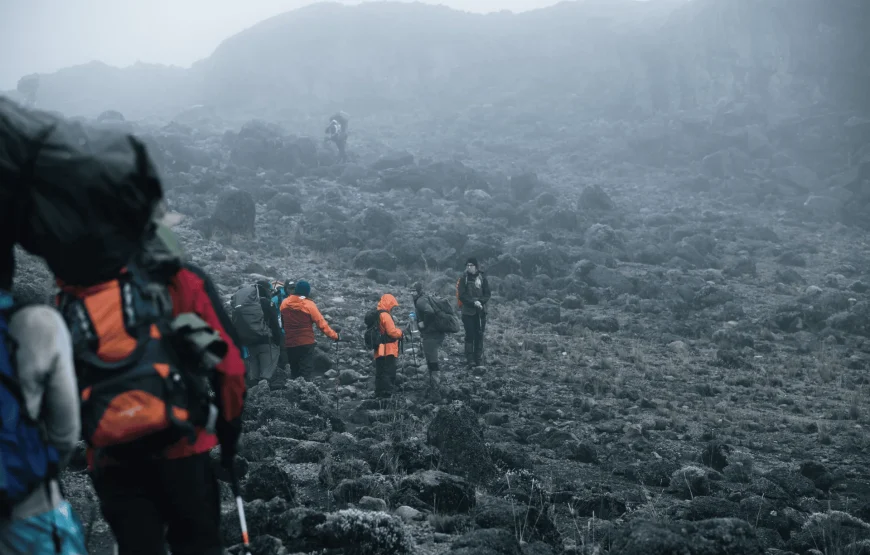
The Northern Circuit Route is Mount Kilimanjaro’s longest and most scenic trekking route, renowned for its exceptional acclimatization profile, spectacular landscapes, and one of the highest summit success rates. With Dismass Kilimanjaro Experience this this itinerary is based on the 9–10 days programme, Its made to offers climbers the best opportunity to reach the summit (Uhuru Peak) (19,341 ft / 5,895 m) while minimizing the effects of altitude.
Your adventure begins with registration at Londorossi Gate (7,742 ft / 2,360 m), followed by a scenic drive to Morum Barrier (11,150 ft / 3,400 m), where the trek officially starts. The route traverses the stunning Shira Plateau before circling Kilimanjaro’s remote northern slopes, revealing breathtaking views, diverse ecosystems, and a peaceful wilderness experience away from the crowds. Combining outstanding scenery with excellent acclimatization, the Northern Circuit is widely regarded as the ultimate Kilimanjaro trekking experience.

VIP+ PACKAGE

Looking for even more luxury on your journey.
Our VIP+ package includes everything listed below plus:

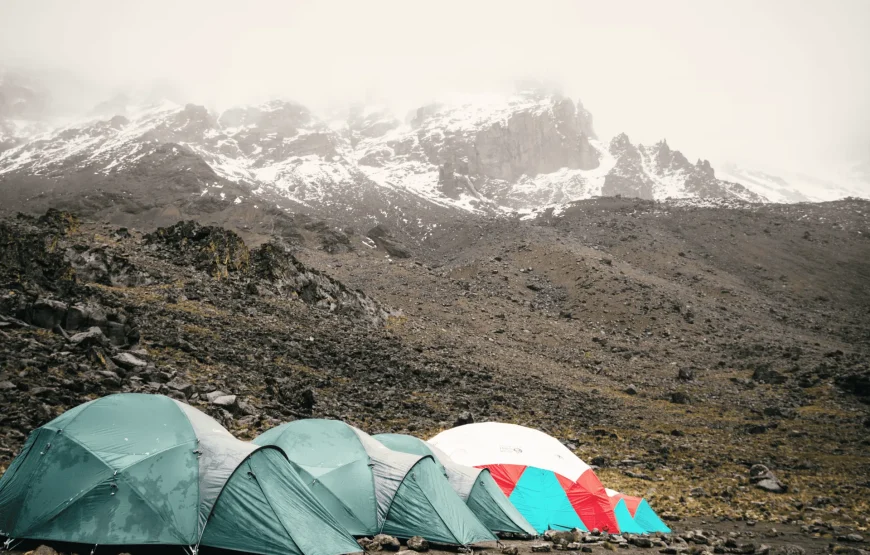
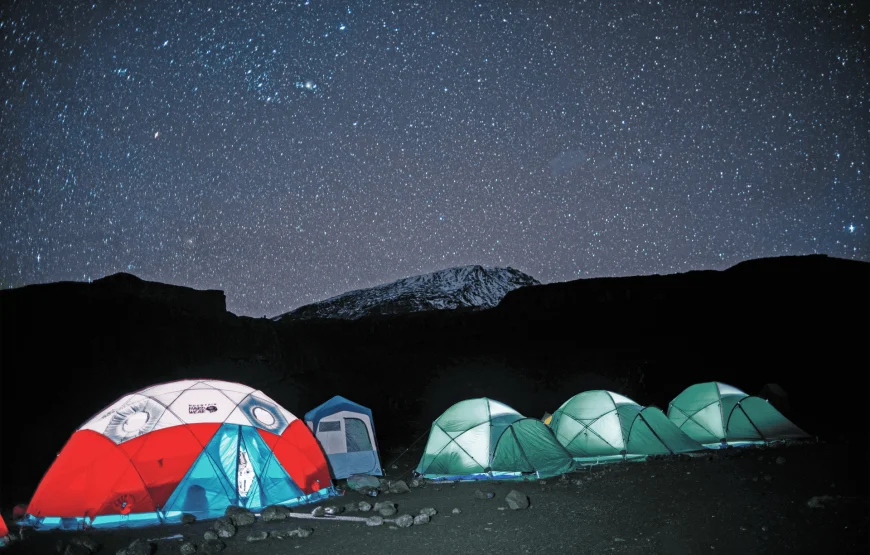
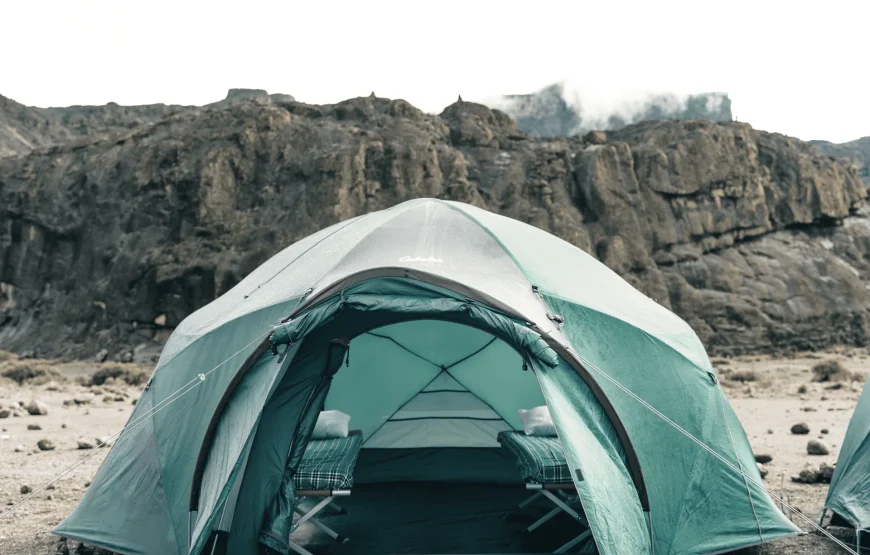
  • Larger tents with standing room
  • Additional Porters
  • Shower System
  • Private portable toilets
  • Raised Beds
  • Larger mess tent
  • 3-inch foam mattresses
  • Pillows
  • Sleeping bags
  • Hot water bottles

Detailed Itinerary

Day 1

Arrival at Kilimanjaro Airport in Tanzania to Gran Melia Hotel

DKE_Journey_Camping1-870x555 (1)

Upon your arrival at Kilimanjaro International Airport, one of our friendly representatives from Dismass Kilimanjaro Experience (DKE) will be waiting to greet you. They will assist you with your luggage and transfer you to the Gran Melia Hotel in Arusha, which will serve as your comfortable and luxurious home base for the duration of your trip.

Located in the heart of Arusha, the Gran Melia Hotel is surrounded by beautiful landscapes, including Arusha National Park, and offers a serene and peaceful environment to relax and prepare for your upcoming adventure. The hotel is nestled within lush, landscaped gardens and offers a range of amenities for your comfort, including an outdoor pool, spa, and fitness center.

After your journey, take some time to unwind and enjoy the magnificent views of Mount Meru from the hotel’s terrace. We hope you have a wonderful stay and are ready to embark on an unforgettable journey up Mount Kilimanjaro with DKE.

Day 1

Arrival at Kilimanjaro Airport in Tanzania to Gran Melia Hotel

DKE_Journey_Camping1-870x555 (1)

Upon your arrival at Kilimanjaro International Airport, one of our friendly representatives from Dismass Kilimanjaro Experience (DKE) will be waiting to greet you. They will assist you with your luggage and transfer you to the Gran Melia Hotel in Arusha, which will serve as your comfortable and luxurious home base for the duration of your trip.

Located in the heart of Arusha, the Gran Melia Hotel is surrounded by beautiful landscapes, including Arusha National Park, and offers a serene and peaceful environment to relax and prepare for your upcoming adventure. The hotel is nestled within lush, landscaped gardens and offers a range of amenities for your comfort, including an outdoor pool, spa, and fitness center.

After your journey, take some time to unwind and enjoy the magnificent views of Mount Meru from the hotel’s terrace. We hope you have a wonderful stay and are ready to embark on an unforgettable journey up Mount Kilimanjaro with DKE.

Day 2

Arusha National Park

Layer-0-870x555

On day 2, prepare yourself to be amazed by the beauty of Arusha National Park, which is just a short drive away. This park is a symphony of diverse landscapes, featuring stunning natural gems such as the Momela lakes, Ngurdoto Crater, and the majestic Mount Meru. Your guide will take you on a scenic hike through the park’s lush forests, which are home to a fascinating array of wildlife including bushbucks, duikers, and the elusive colobus monkey, waterbuck, reedbuck, and giraffe. Along the way, you will have the opportunity to observe and learn about the park’s 400 species of birds and other wildlife. As you explore this natural wonderland, your guide will provide you with insights into the park’s history, geology, and ecology, enhancing your understanding and appreciation of the area’s unique biodiversity. A picnic lunch in a picturesque setting is included, providing a perfect opportunity to rest, refuel, and take in the breathtaking scenery. After a day of adventure in the park, return to the Gran Melia Hotel for a general briefing from your guide regarding your Kili climb. You’ll then pack your bags in preparation for the next day, have dinner, and get a good night’s sleep to prepare for Day 1 of your Kilimanjaro climb. Please note that you are free to leave behind anything that you don’t need to take with you to the mountain. However, do not leave anything in the rooms as you will be checking out today. Instead, hand them to the reception for storage, where you can collect them on your way back. Your DKE guide will be there to assist you with this.

Day 2

Arusha National Park

Layer-0-870x555

On day 2, prepare yourself to be amazed by the beauty of Arusha National Park, which is just a short drive away. This park is a symphony of diverse landscapes, featuring stunning natural gems such as the Momela lakes, Ngurdoto Crater, and the majestic Mount Meru. Your guide will take you on a scenic hike through the park’s lush forests, which are home to a fascinating array of wildlife including bushbucks, duikers, and the elusive colobus monkey, waterbuck, reedbuck, and giraffe. Along the way, you will have the opportunity to observe and learn about the park’s 400 species of birds and other wildlife. As you explore this natural wonderland, your guide will provide you with insights into the park’s history, geology, and ecology, enhancing your understanding and appreciation of the area’s unique biodiversity. A picnic lunch in a picturesque setting is included, providing a perfect opportunity to rest, refuel, and take in the breathtaking scenery. After a day of adventure in the park, return to the Gran Melia Hotel for a general briefing from your guide regarding your Kili climb. You’ll then pack your bags in preparation for the next day, have dinner, and get a good night’s sleep to prepare for Day 1 of your Kilimanjaro climb. Please note that you are free to leave behind anything that you don’t need to take with you to the mountain. However, do not leave anything in the rooms as you will be checking out today. Instead, hand them to the reception for storage, where you can collect them on your way back. Your DKE guide will be there to assist you with this.

Day 3

Shira 1 camp

DKE_News-870x555

Today at 08:00 AM you will be leaving the hotel with lunch boxes and driving to Londrosi Gate where our northern Kilimanjaro summit route package starts at 7000 feet in the West. The drive to Londorossi Gate takes approximately three hours from Arusha. Registration with Kilimanjaro National Park authorities at the gate and then you will proceed with driving further up the mountain to what is known as the Morum Barea starting point. You will be served lunch before the short first day trek to Shira 1 Camp begins. Today will be a very short and easy hike, the estimated time of arriving at the Shira 1 camp is about two and half hours. You will have dinner and spend the night at Shira 1 Camp, which is located at an elevation of 3610 meters or 11600 feet.

Day 3

Shira 1 camp

DKE_News-870x555

Today at 08:00 AM you will be leaving the hotel with lunch boxes and driving to Londrosi Gate where our northern Kilimanjaro summit route package starts at 7000 feet in the West. The drive to Londorossi Gate takes approximately three hours from Arusha. Registration with Kilimanjaro National Park authorities at the gate and then you will proceed with driving further up the mountain to what is known as the Morum Barea starting point. You will be served lunch before the short first day trek to Shira 1 Camp begins. Today will be a very short and easy hike, the estimated time of arriving at the Shira 1 camp is about two and half hours. You will have dinner and spend the night at Shira 1 Camp, which is located at an elevation of 3610 meters or 11600 feet.

Day 4

Moir camp

DKE_Journey_Guide2-870x555

Wake up at 5:30 am and enjoy a steaming hot beverage of your choice while you plan how to pack your luggage before breakfast, so you are ready to go right after eating breakfast. Today, you will be walking to Moir Camp, which will take approximately 5-6 hours and you’ll reach the camp in time for lunch. The trek crosses the Shira Plateau and will continue with the trek heading east, passing through the ‘Garden of the Shrubs and Tussock Grass” listening to sounds of birds before entering the high Alpine Desert Zone and Moir Camp for your hot lunch then dinner and overnight at 1400 altitude feet.

Day 4

Moir camp

DKE_Journey_Guide2-870x555

Wake up at 5:30 am and enjoy a steaming hot beverage of your choice while you plan how to pack your luggage before breakfast, so you are ready to go right after eating breakfast. Today, you will be walking to Moir Camp, which will take approximately 5-6 hours and you’ll reach the camp in time for lunch. The trek crosses the Shira Plateau and will continue with the trek heading east, passing through the ‘Garden of the Shrubs and Tussock Grass” listening to sounds of birds before entering the high Alpine Desert Zone and Moir Camp for your hot lunch then dinner and overnight at 1400 altitude feet.

Day 5

Pofu camp

DKE_Journey_Guide1-870x555

Wake up at 5:30 am and enjoy a steaming hot beverage of your choice while you plan how to pack your luggage before breakfast, ensuring you are ready to go right after eating. Day 5 involves a moderately steep climb out of Moir Valley. Trekkers can take a small diversion here to climb the summit of Little Lent Hill, 14550 altitude feet. before returning to the Northern Circuit trail. From here the route tracks a series of inclines and declines, dodging around the northern slopes of Kibo to Pofu Camp, 13400 altitude feet. The trek gives great vistas out across the plains that lie north of Kilimanjaro and stretch out to the Kenyan / Tanzanian border. You will arrive at Pofu Camp just a bit after midday, where you will have hot lunch and have time to rest after a long day of hiking.

Day 5

Pofu camp

DKE_Journey_Guide1-870x555

Wake up at 5:30 am and enjoy a steaming hot beverage of your choice while you plan how to pack your luggage before breakfast, ensuring you are ready to go right after eating. Day 5 involves a moderately steep climb out of Moir Valley. Trekkers can take a small diversion here to climb the summit of Little Lent Hill, 14550 altitude feet. before returning to the Northern Circuit trail. From here the route tracks a series of inclines and declines, dodging around the northern slopes of Kibo to Pofu Camp, 13400 altitude feet. The trek gives great vistas out across the plains that lie north of Kilimanjaro and stretch out to the Kenyan / Tanzanian border. You will arrive at Pofu Camp just a bit after midday, where you will have hot lunch and have time to rest after a long day of hiking.

Day 6

Third Cave:

DKE_Journey_Camping-870x555

Wake up at 5:30 am and enjoy a steaming hot beverage of your choice while you plan how to pack your luggage before breakfast, so you are ready to go right after eating breakfast. Day 6 starts with a climb up the Buffalo Ridge. The route then continues east around the northern slopes to the Rongai Third Cave at 12600 feet. The trek is shorter than the day before and by now you should be feeling well acclimatized to the altitude. You will arrive at the Third Cave around mid-afternoon, where you will have a pleasant, hot lunch.

Spend this afternoon resting and enjoying the view of Mawenzi Peak from the camp.

Day 6

Third Cave:

DKE_Journey_Camping-870x555

Wake up at 5:30 am and enjoy a steaming hot beverage of your choice while you plan how to pack your luggage before breakfast, so you are ready to go right after eating breakfast. Day 6 starts with a climb up the Buffalo Ridge. The route then continues east around the northern slopes to the Rongai Third Cave at 12600 feet. The trek is shorter than the day before and by now you should be feeling well acclimatized to the altitude. You will arrive at the Third Cave around mid-afternoon, where you will have a pleasant, hot lunch.

Spend this afternoon resting and enjoying the view of Mawenzi Peak from the camp.

Day 7

School hut

DKE_Journey_Camping5-870x555

Wake up at 5:30 am and enjoy a steaming hot beverage of your choice while you plan how to pack your luggage before breakfast, so you are ready to go right after eating your Breakfast. Today includes a steady gradient up and over the Saddle which is located between the peaks of Kibo and Mawenzi Peak. Trekkers then continue walking south-west up to School. You will be walking for 3-4 hours to School Hut 16000 feet. After arriving at School Hut for hot lunch. In the afternoon, your guides will help you to plan and prepare for the summit. You will start the climb from School Hut at midnight, stretching through the slopes of Kibo under the cover of darkness. Your first check-point is Hans Meyer Cave where you will take a short break. The climb steepens as you approach Gilman’s Point (18875 feet), which will be around 5-6 hours after departing School Hut. Take a moment to enjoy the approaching dawn and incredible view out and across to Mawenzi Peak, but remember you still have 2 hours trekking and it will take you which will make the total of 6 to 7 hours total to reach the summit (Uhuru Peak), so you should wake up one and a half hours early before the starting time.

Day 7

School hut

DKE_Journey_Camping5-870x555

Wake up at 5:30 am and enjoy a steaming hot beverage of your choice while you plan how to pack your luggage before breakfast, so you are ready to go right after eating your Breakfast. Today includes a steady gradient up and over the Saddle which is located between the peaks of Kibo and Mawenzi Peak. Trekkers then continue walking south-west up to School. You will be walking for 3-4 hours to School Hut 16000 feet. After arriving at School Hut for hot lunch. In the afternoon, your guides will help you to plan and prepare for the summit. You will start the climb from School Hut at midnight, stretching through the slopes of Kibo under the cover of darkness. Your first check-point is Hans Meyer Cave where you will take a short break. The climb steepens as you approach Gilman’s Point (18875 feet), which will be around 5-6 hours after departing School Hut. Take a moment to enjoy the approaching dawn and incredible view out and across to Mawenzi Peak, but remember you still have 2 hours trekking and it will take you which will make the total of 6 to 7 hours total to reach the summit (Uhuru Peak), so you should wake up one and a half hours early before the starting time.

Day 8

Summit / Mweka Camp

DKE_Journey_Camping1-870x555

The slope flattens as you head west around the crater rim and you should arrive at the summit at or just after sunrise. Your stay here will be brief so get as many pictures as you can of the incredible views and surrounding glaciers. You will then retrace your steps back around the crater rim to Stella Point where you will turn south and head down the heavily screed slopes of Kibo to Barafu Camp. Most trekkers take a short break here before continuing down to Millennium Camp for lunch then proceed to Mweka Camp for dinner and your final night on the mountain. In total you will be trekking for 14-16 hours on this particular day.

Day 8

Summit / Mweka Camp

DKE_Journey_Camping1-870x555

The slope flattens as you head west around the crater rim and you should arrive at the summit at or just after sunrise. Your stay here will be brief so get as many pictures as you can of the incredible views and surrounding glaciers. You will then retrace your steps back around the crater rim to Stella Point where you will turn south and head down the heavily screed slopes of Kibo to Barafu Camp. Most trekkers take a short break here before continuing down to Millennium Camp for lunch then proceed to Mweka Camp for dinner and your final night on the mountain. In total you will be trekking for 14-16 hours on this particular day.

Day 9

Gran Melia Arusha.

2Y7A8395-870x555

Today, you will wake up knowing that you are returning to civilization and a nice hot shower. After a farewell breakfast, you will have a few minutes to meet with the entire team and say goodbye before starting your descent to Mweka Gate, which will take approximately 4 hours. Your driver will be waiting for you at the gate to pick you up and drive you back to the Gran Melia Hotel in Arusha.

Day 9

Gran Melia Arusha.

2Y7A8395-870x555

Today, you will wake up knowing that you are returning to civilization and a nice hot shower. After a farewell breakfast, you will have a few minutes to meet with the entire team and say goodbye before starting your descent to Mweka Gate, which will take approximately 4 hours. Your driver will be waiting for you at the gate to pick you up and drive you back to the Gran Melia Hotel in Arusha.

Climbing Cost Includes

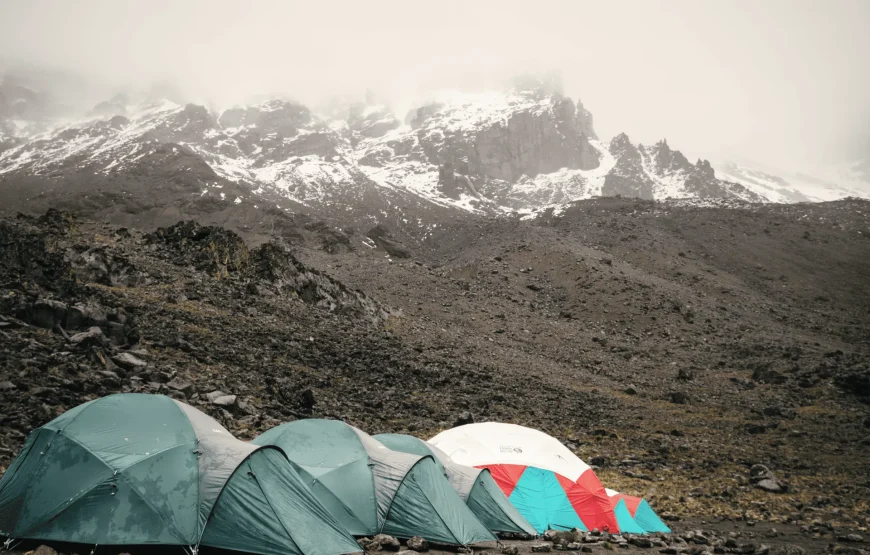
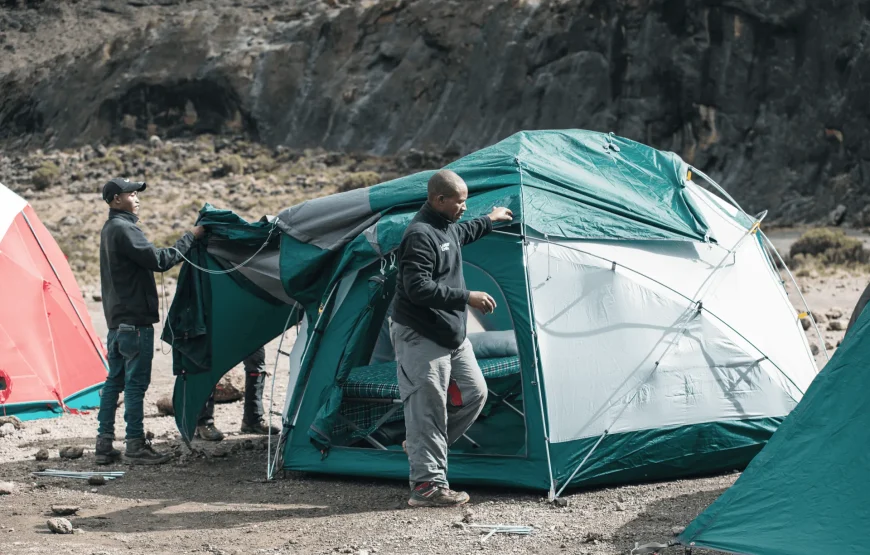
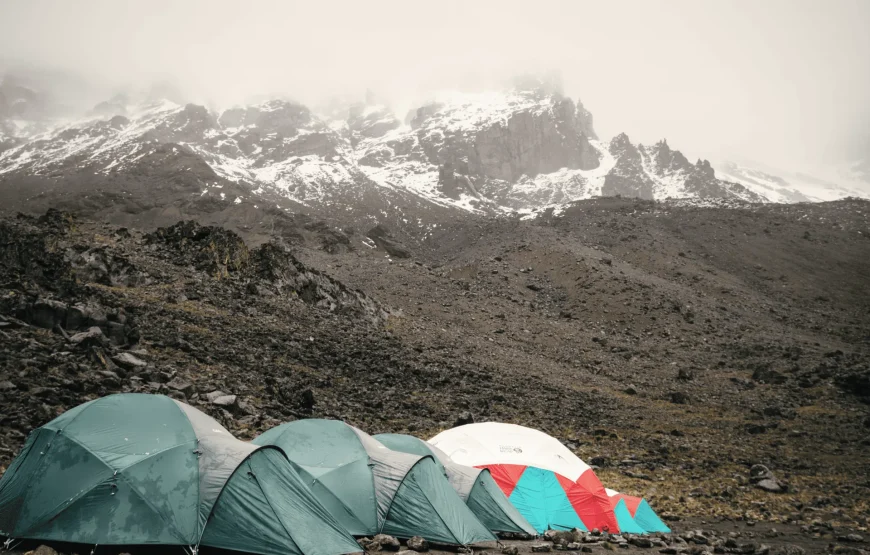
Comfortable & Premium Camping Equipment on Mount Kilimanjaro Climbing Mount Kilimanjaro should be challenging because of the adventure—not because of uncomfortable camping equipment. That’s why we provide high-quality camping gear designed to keep you safe, warm, and comfortable throughout your trek. High-Quality Four-Season Tents Every expedition is equipped with durable four-season mountain tents that offer reliable protection against rain, wind, and cold temperatures. Each tent features a small vestibule where you can leave muddy boots, backpacks, and wet clothing before entering the sleeping area, helping keep the inside clean and dry. To maximize comfort, we accommodate only two climbers per tent, even though the tents are designed to fit three people. This provides ample space for both occupants and their duffel bags without feeling cramped. If you’re traveling solo, you’ll be paired with another climber of the same gender unless you request a private tent. Private Tent Option For those who prefer additional privacy, a single-occupancy tent can be arranged for an extra fee. The surcharge helps cover the additional porter required to transport the extra camping equipment during the climb. Contact our team for pricing and availability. Luxury Walk-In Tents For an even more comfortable camping experience, we offer spacious walk-in tents. These premium tents provide significantly more room than our standard models and can comfortably accommodate a camp bed, making them one of the most luxurious accommodation options available on Kilimanjaro. Because these larger tents require additional porters for transportation and setup, they are available at an additional cost. Thick, Comfortable Sleeping Mats Every climber receives a premium 3-inch thick sleeping mattress that provides excellent insulation from the cold ground while ensuring a comfortable night’s sleep after each day’s hike. Dining Tables with Reusable Tableware Meals are served on sturdy camping tables using stainless steel cutlery and ceramic plates, creating a pleasant dining experience even at high altitude. Our dedicated kitchen team prepares, serves, and cleans every meal, while our commitment to sustainability means we avoid single-use plastic tableware whenever possible. Spacious Dining Tents Our weather-resistant dining tents provide a warm and comfortable place to enjoy meals, relax, and socialize with fellow climbers. Built to withstand strong winds and heavy rain, these tents ensure your dining experience remains enjoyable regardless of the weather. Comfortable Camping Chairs Relax after a rewarding day on the mountain in our sturdy foldable camping chairs. Designed with supportive backrests and armrests, they’re perfect for enjoying breathtaking sunsets, sharing stories with fellow trekkers, or simply resting before the next day’s adventure. Handwashing Station To help maintain hygiene throughout your trek, each campsite includes a portable handwashing station supplied regularly with warm water by our mountain crew, allowing you to freshen up before meals and after hiking. Professional Camp Setup & Maintenance Our experienced camp managers reach each campsite well before the climbing group arrives. They carefully select the best available location, ensuring a scenic, safe, and comfortable environment away from crowded areas whenever possible. Before your arrival, the team sets up every tent, dining area, and campsite facility. Throughout the expedition, they continuously inspect and maintain all camping equipment, carrying repair kits to address any unexpected issues immediately. Since every piece of equipment is thoroughly checked before departure, equipment problems are extremely rare, allowing you to focus entirely on enjoying your Kilimanjaro adventure.

Fresh, Nutritious Meals on Mount Kilimanjaro A successful Kilimanjaro climb requires more than determination—it also depends on proper nutrition. Throughout your trek, our experienced mountain chefs and camp crew prepare and serve freshly cooked meals designed to keep you energized and ready for each day’s adventure. Our menus have been carefully planned to provide the right balance of carbohydrates, protein, healthy fats, and essential vitamins, ensuring you receive the nourishment needed while trekking at high altitude. Special Dietary Options Available We believe every climber deserves great food, regardless of dietary preferences or restrictions. Whether you require vegetarian, vegan, gluten-free, lactose-free, or other specialized meals, our kitchen team is happy to accommodate your needs at no additional cost. Simply let us know your dietary requirements before your expedition, and we’ll ensure every meal is prepared accordingly. Delicious Daily Menu Your mornings begin with a hearty breakfast featuring options such as warm porridge, eggs, sausages, fresh vegetables, sweet potatoes, traditional Tanzanian spinach (mchicha), and your choice of tea or freshly brewed coffee. Lunches are designed to restore your energy after the morning hike and often include freshly prepared soups, pasta dishes, rice, mashed potatoes, slow-cooked stews, grilled chicken, fresh avocado salads, seasonal vegetables, and a variety of flavorful local and international recipes. Dinner is the main meal of the day, offering comforting soups, crisp salads, vegetable dishes, tender beef, chicken or fish, hearty stews, and satisfying side dishes, all served with a selection of delicious sauces and seasonings. To finish every meal, fresh tropical fruits such as mangoes, pineapples, oranges, bananas, and watermelon are served to provide natural vitamins and hydration. Fresh, Locally Sourced Ingredients We prepare our meals using fresh produce sourced from trusted local farmers and suppliers. Whenever possible, we choose seasonal fruits, vegetables, and high-quality meats from nearby farms to ensure freshness while also supporting local communities and businesses. Every supplier is carefully selected to meet strict food safety and quality standards, giving our guests confidence in every meal served during the expedition. Freshly Cooked Throughout the Expedition Nearly every meal is prepared fresh by our mountain chefs at camp. The only exception is lunch on the first day, which is prepared before entering the national park, carefully packed in environmentally friendly containers, and enjoyed during the hike to the first campsite. Once camp is established, all remaining meals are cooked fresh on the mountain using portable expedition kitchens. Cooking at High Altitude Preparing quality meals on Mount Kilimanjaro is no easy task. Our chefs work in challenging mountain conditions, often cooking in cold temperatures, strong winds, or rain while using portable gas stoves and compact camp kitchens. Despite these demanding conditions, our experienced culinary team consistently delivers nutritious, satisfying, and freshly prepared meals that help climbers recover after each day’s trek and maintain the energy needed to reach the summit. From your first breakfast to your final dinner on the mountain, every meal is prepared with care to ensure your Kilimanjaro experience is both memorable and enjoyable.
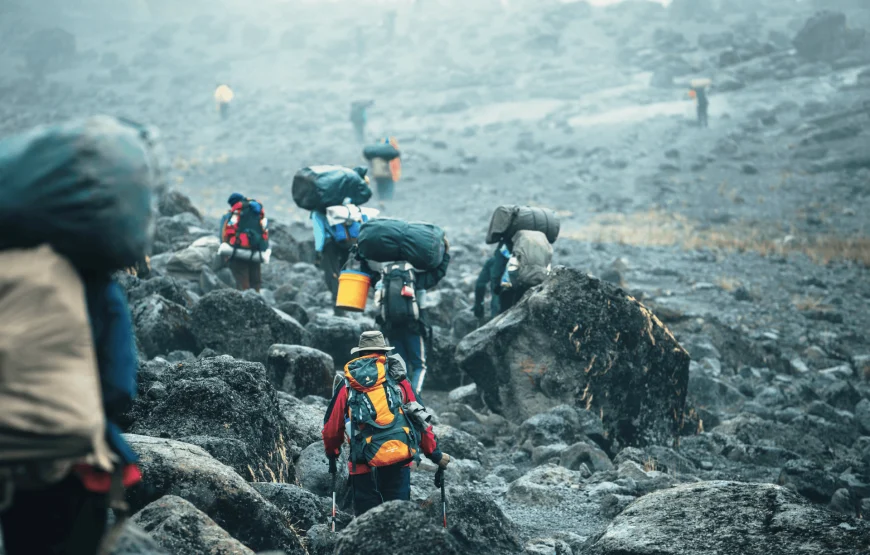
Professional Mountain Guides & Dedicated Support Crew Your Kilimanjaro adventure is led by experienced mountain professionals whose knowledge, leadership, and commitment help ensure a safe, enjoyable, and unforgettable trekking experience. Experienced Local Guides Our lead guides have spent many years exploring Mount Kilimanjaro and possess extensive knowledge of its trails, weather patterns, ecosystems, and unique landscapes. Having guided climbers from around the world, they know how to manage every stage of the journey—from the rainforest to the summit and back. Their experience enables them to make informed decisions on the mountain while providing valuable insights that enrich your trekking experience. Certified in Wilderness First Aid Your safety is always our highest priority. Every lead guide is professionally trained in wilderness emergency response and mountain first aid, equipping them with the skills needed to respond quickly and effectively should an emergency arise in remote alpine environments. Combined with years of practical mountain experience, these qualifications allow our guides to confidently handle changing conditions while prioritizing the well-being of every climber. Passionate Storytellers & Local Experts A Kilimanjaro trek is more than reaching the summit—it’s an opportunity to discover one of Africa’s most iconic landscapes. Along the way, our guides share fascinating stories about the mountain’s history, wildlife, volcanic geology, local traditions, and the cultures that surround Kilimanjaro. Their knowledge transforms every day’s hike into an engaging learning experience. At the same time, they understand that many climbers also value quiet moments in nature. Whenever you prefer to hike in peaceful silence or simply take in the scenery, your guides will gladly give you the space to enjoy the mountain at your own pace. Dedicated Mountain Support Crew Behind every successful summit is an exceptional support team working tirelessly throughout the expedition. Our porters transport camping equipment, luggage, food supplies, and drinking water while moving ahead of the group to prepare each campsite before your arrival. Camp attendants organize the tents and communal areas, while our mountain chefs prepare fresh, nutritious meals to keep you energized throughout the climb. Their hard work allows you to focus entirely on enjoying the journey. Fair Treatment & Ethical Practices We believe that outstanding adventures begin with treating the people who make them possible with respect and dignity. Our mountain crew receives fair wages, proper equipment, nutritious meals, and safe working conditions. We are committed to maintaining ethical employment practices that support the well-being of every guide, porter, chef, and camp staff member. By investing in our team, we create a positive working environment that results in motivated professionals who are passionate about delivering exceptional service on every expedition. A Team Committed to Your Success From the moment your trek begins until you celebrate reaching the summit, our entire mountain crew is dedicated to making your Kilimanjaro experience safe, comfortable, and memorable. With experienced leadership, reliable support staff, and a genuine passion for sharing the beauty of Mount Kilimanjaro, our team is committed to helping you achieve one of Africa’s greatest adventures with confidence.
Supplemental Oxygen for High-Altitude Safety Your safety is our highest priority, which is why every Kilimanjaro expedition is equipped with portable medical oxygen. This essential safety equipment is carried throughout the climb and is available whenever it is needed during the journey. Helping Prevent Altitude Sickness As climbers gain elevation, the amount of oxygen in the air decreases, making altitude sickness a common challenge on Mount Kilimanjaro. Our experienced guides closely monitor every participant for early signs of Acute Mountain Sickness (AMS). If symptoms begin to appear, supplemental oxygen may be administered to improve oxygen levels, reduce discomfort, and support the acclimatization process. Early intervention often helps climbers recover more comfortably and continue their ascent safely. Always Prepared Every expedition carries an adequate supply of oxygen to handle medical situations that may arise on the mountain. Our logistics team carefully plans each climb to ensure the required equipment is available from the start of the expedition until the descent. In the rare event that additional oxygen is needed, contingency plans are in place to ensure prompt access to extra supplies whenever possible. Experienced Medical Response Portable oxygen is only one part of our comprehensive altitude safety strategy. Our mountain guides are trained to recognize the early symptoms of altitude-related illnesses and know when oxygen therapy, rest, descent, or evacuation is the safest course of action. Their knowledge and experience allow them to make informed decisions quickly while prioritizing the health and safety of every climber. Regularly Inspected Equipment All oxygen cylinders, regulators, masks, and related equipment are routinely inspected, maintained, and tested before every expedition. This ensures that every system is in excellent working condition and ready for immediate use if required. A Commitment to Safe Climbing While supplemental oxygen can provide valuable support in certain situations, it is only one part of a complete mountain safety program. Proper acclimatization, experienced guides, daily health monitoring, quality equipment, and responsible decision-making all work together to maximize your chances of a safe and successful Kilimanjaro summit. Our goal is to provide every climber with the highest level of care, allowing you to enjoy the adventure with confidence from the first day on the trail to the moment you stand on the Roof of Africa.
Daily Health Monitoring on Mount Kilimanjaro Your health and safety are closely monitored throughout the expedition to ensure you are acclimatizing well and enjoying a safe journey to the summit. Twice-Daily Medical Checks Every morning and evening, our certified mountain guides conduct routine health assessments for all climbers. These check-ups are an important part of our altitude safety procedures and help identify any early signs of altitude-related illness before they become serious. During each assessment, your guide will ask how you’re feeling, check your oxygen saturation using a pulse oximeter, and, when necessary, measure your blood pressure or assess your breathing using a stethoscope. Mandatory Health Assessments All climbers are required to participate in these daily health checks, even if they feel perfectly well. Altitude sickness can develop gradually, and symptoms are not always immediately noticeable. Regular monitoring allows our guides to detect early warning signs of Acute Mountain Sickness (AMS) and take appropriate action before the condition worsens, helping to improve both safety and summit success. Support for Climbers with Medical Conditions We welcome many climbers who successfully summit Kilimanjaro while managing medical conditions such as asthma, diabetes, and other chronic health concerns. Before your expedition, we take time to understand your medical history and any specific requirements. Our team works with you to develop an appropriate support plan so you can climb with greater confidence and peace of mind. Professional Medical Decision-Making If a guide identifies any health concerns during the trek, additional assessments may be carried out using internationally recognized altitude illness evaluation methods. When necessary, our guides consult experienced medical professionals before making decisions about whether it is safe to continue the ascent. Every decision is made with one priority in mind—protecting the health and well-being of the climber. Pre-Expedition Health Review Before your adventure begins, participants are asked to complete a medical questionnaire. This information allows our team to identify any potential health concerns, provide helpful recommendations, and ensure you are adequately prepared for the physical demands of climbing Mount Kilimanjaro. Comprehensive Medical Records Throughout the expedition, guides maintain confidential medical records documenting health assessments and any treatment provided during the climb. Should emergency medical care ever become necessary, this information can be shared with healthcare professionals to support faster, more accurate treatment. Your Safety Comes First From the first day on the mountain until your descent, our experienced team follows established health and safety procedures designed to minimize risk and maximize your chances of a successful summit. By combining regular health monitoring, trained guides, quality medical equipment, and careful decision-making, we strive to provide every climber with a safe, responsible, and memorable Kilimanjaro experience while keeping all personal medical information secure and confidential.
Climbing Cost Excludes

Our Kilimanjaro packages don’t include international flights. You’ll be responsible for covering those costs separately. Feel free to contact your manager to get recommendations about the airlines operating flights to Tanzania.
Tipping your climbing crew is a well-established practice in mountain hiking all over the world. Though never mandatory at Altezza Travel, our clients are encouraged to tip their mountain crews if their performance is up to your expectations. A recommended amount is USD 250-350 per participant. You may read more about tipping in our article here
Our group expeditions include shared accommodation, which means you’ll be sharing a hotel room and a tent with either your travel companion or a same-sex member of your travel group. If you prefer a private room and/or tent, please let us know. Single supplements are available for an additional charge. Single supplement is not available on the Marangu route where you stay overnight in huts that can accommodate up to 20 hikers.

Daily Health Monitoring on Mount Kilimanjaro

Your health and safety are closely monitored throughout the expedition to ensure you are acclimatizing well and enjoying a safe journey to the summit.

Twice-Daily Medical Checks

Every morning and evening, our certified mountain guides conduct routine health assessments for all climbers. These check-ups are an important part of our altitude safety procedures and help identify any early signs of altitude-related illness before they become serious.

During each assessment, your guide will ask how you’re feeling, check your oxygen saturation using a pulse oximeter, and, when necessary, measure your blood pressure or assess your breathing using a stethoscope.

Mandatory Health Assessments

All climbers are required to participate in these daily health checks, even if they feel perfectly well. Altitude sickness can develop gradually, and symptoms are not always immediately noticeable.

Regular monitoring allows our guides to detect early warning signs of Acute Mountain Sickness (AMS) and take appropriate action before the condition worsens, helping to improve both safety and summit success.

Support for Climbers with Medical Conditions

We welcome many climbers who successfully summit Kilimanjaro while managing medical conditions such as asthma, diabetes, and other chronic health concerns.

Before your expedition, we take time to understand your medical history and any specific requirements. Our team works with you to develop an appropriate support plan so you can climb with greater confidence and peace of mind.

Professional Medical Decision-Making

If a guide identifies any health concerns during the trek, additional assessments may be carried out using internationally recognized altitude illness evaluation methods. When necessary, our guides consult experienced medical professionals before making decisions about whether it is safe to continue the ascent.

Every decision is made with one priority in mind—protecting the health and well-being of the climber.

Pre-Expedition Health Review

Before your adventure begins, participants are asked to complete a medical questionnaire. This information allows our team to identify any potential health concerns, provide helpful recommendations, and ensure you are adequately prepared for the physical demands of climbing Mount Kilimanjaro.

Comprehensive Medical Records

Throughout the expedition, guides maintain confidential medical records documenting health assessments and any treatment provided during the climb.

Should emergency medical care ever become necessary, this information can be shared with healthcare professionals to support faster, more accurate treatment.

Your Safety Comes First

From the first day on the mountain until your descent, our experienced team follows established health and safety procedures designed to minimize risk and maximize your chances of a successful summit.

By combining regular health monitoring, trained guides, quality medical equipment, and careful decision-making, we strive to provide every climber with a safe, responsible, and memorable Kilimanjaro experience while keeping all personal medical information secure and confidential.
Request a Quote

Contact us. Our team is always here to help.

Group Depature Form

Planning a Trip to Africa?

Our team is always here to help

Main Form