The Ngorongoro Crater is one of Africa’s most spectacular natural wonders and a highlight of any safari in Tanzania. Formed over two million years ago when a massive volcano collapsed, the crater created the world’s largest intact volcanic caldera. Its steep walls rise about 600 meters above the crater floor, creating a unique and protected ecosystem that supports an incredible variety of wildlife. Because of its natural enclosure, animals remain within the crater year-round, making it one of the best places in Africa for reliable wildlife viewing.
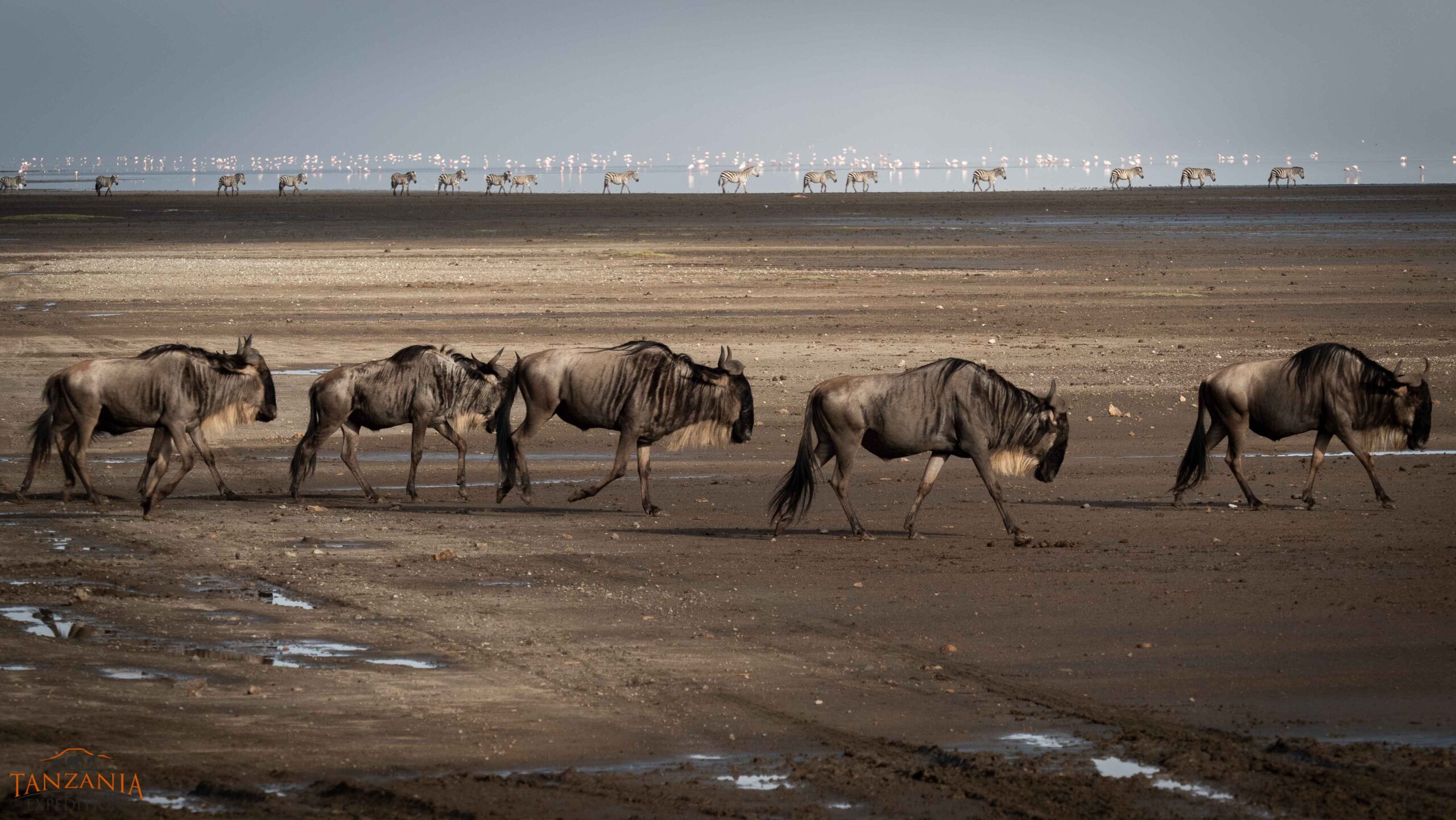
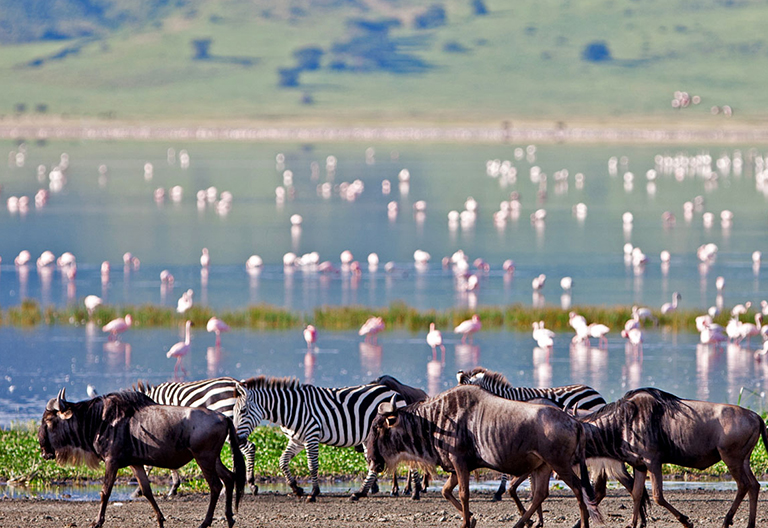
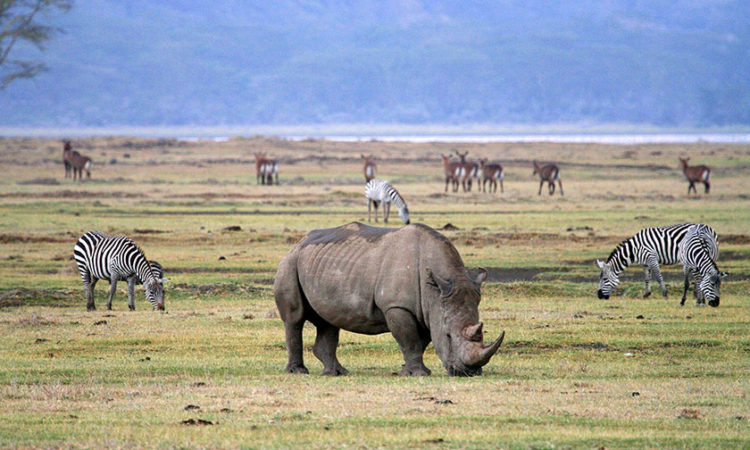
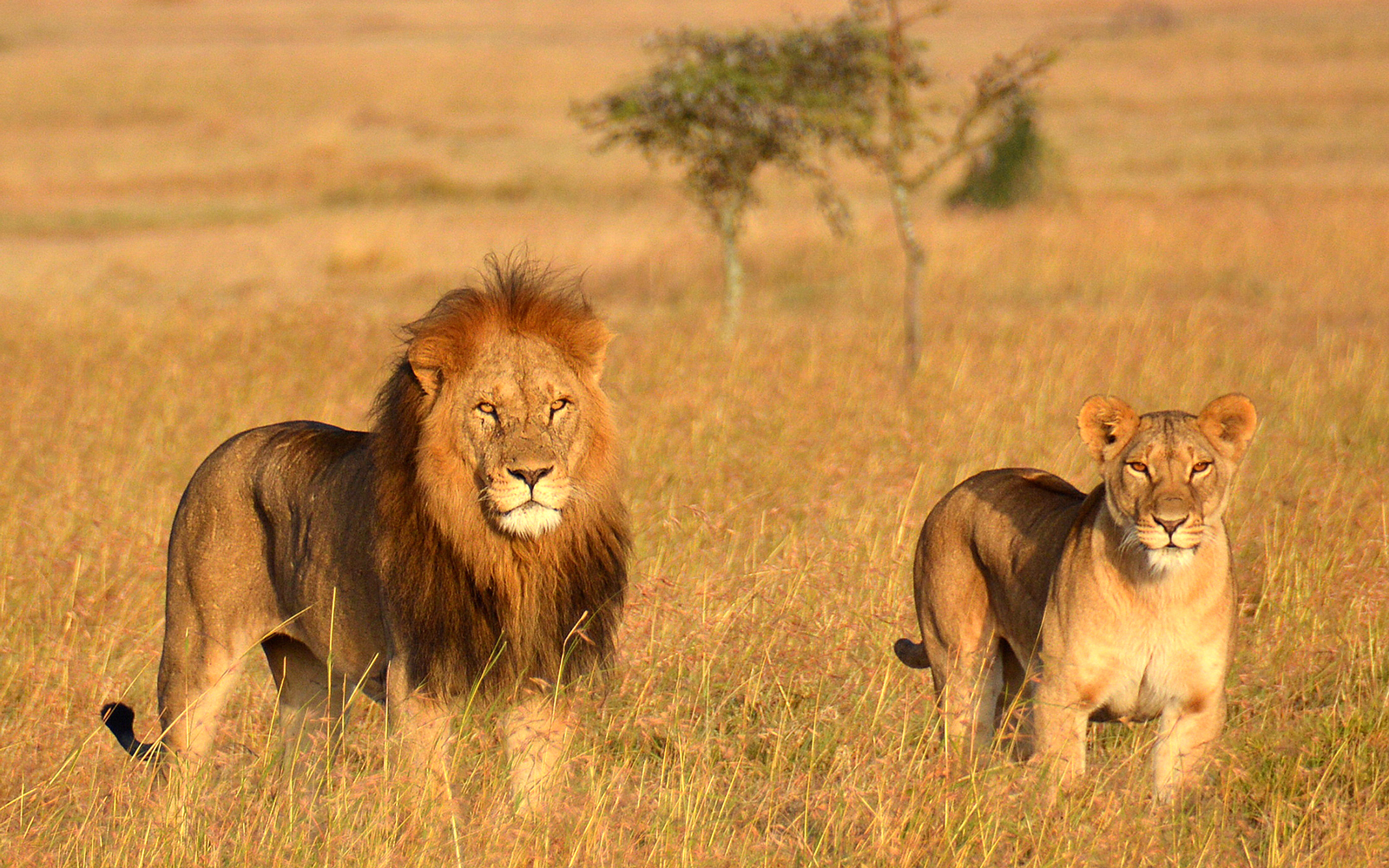
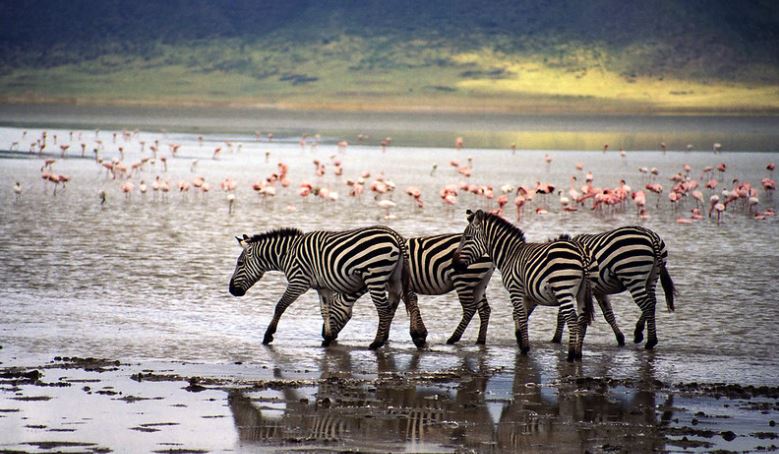
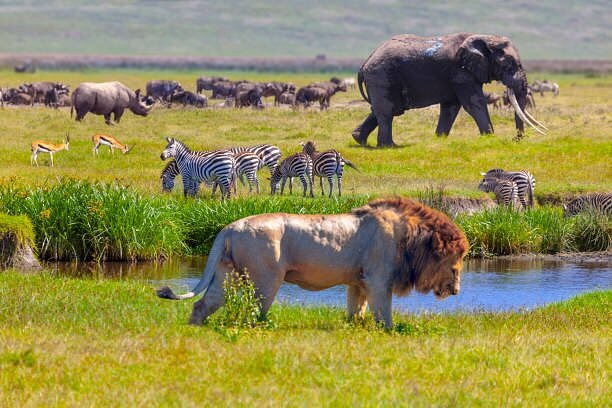
The crater floor spans roughly 260 square kilometers and contains diverse habitats including grasslands, swamps, forests, and soda lakes. These environments support thousands of animals such as lions, elephants, buffaloes, zebras, wildebeests, and hyenas. The alkaline waters of Lake Magadi attract large flocks of flamingos, creating a striking pink contrast against the crater’s landscape. The area is also one of the best places in East Africa to spot the rare and endangered black rhinoceros.
Beyond its wildlife, the crater lies within the larger Ngorongoro Conservation Area, a UNESCO World Heritage Site that blends conservation with human culture. The region is home to the Maasai people, who continue to live traditionally alongside wildlife while grazing their cattle in surrounding highlands. With its breathtaking scenery, rich biodiversity, and cultural significance, Ngorongoro Crater remains one of the most iconic safari destinations in East Africa.