+255 787 369 888
info@kilimanjaroexperience.com
Lake Manyara National Park is a stunning gem in northern Tanzania, renowned for its diverse ecosystems and scenic beauty. Nestled at the base of the Great Rift Valley, the park encompasses a shallow alkaline lake, lush groundwater forests, and expansive savannahs. Its unique location between the lake and the escarpment creates a dramatic backdrop that captivates visitors and wildlife alike.
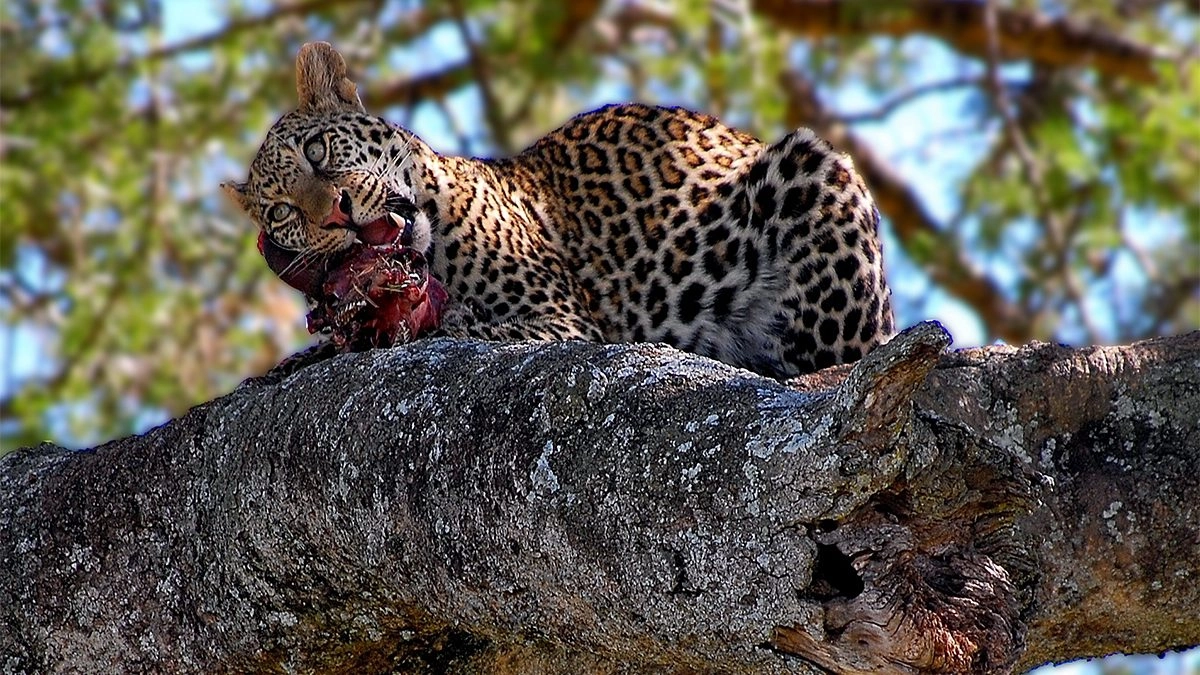
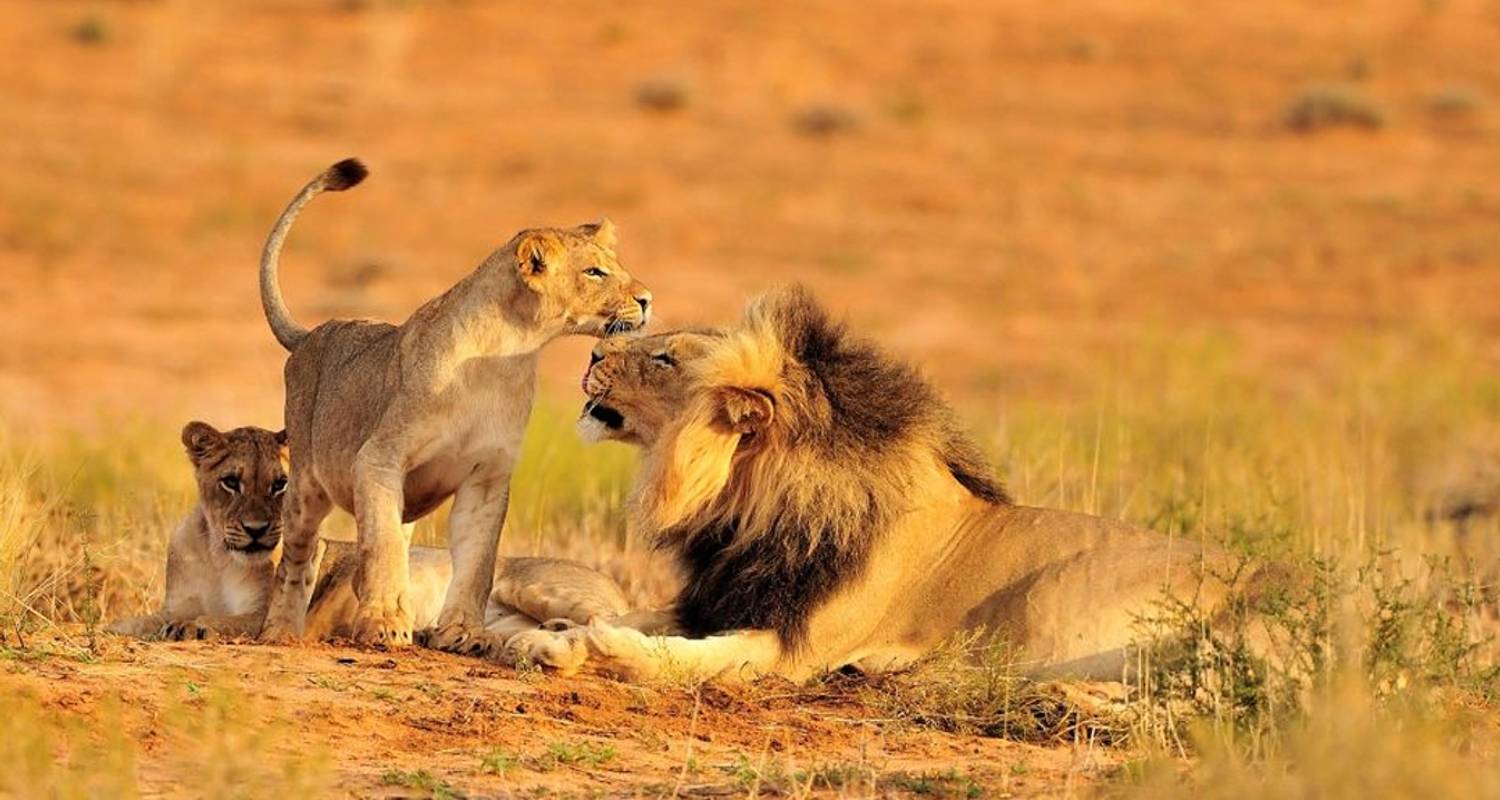
Lake Manyara is famous for its tree-climbing lions, a rare and fascinating sight that draws wildlife enthusiasts from around the world. The park is also home to large populations of elephants, hippos, buffaloes, giraffes, and various antelope species. Birdwatchers will find paradise here, with over 400 bird species, including flamingos, pelicans, storks, and herons that flock to the lake, painting the waters with bursts of color during certain seasons.
Beyond wildlife, Lake Manyara National Park offers a tranquil and intimate safari experience. Visitors can explore winding game drives, serene picnic spots, and scenic viewpoints overlooking the lake and surrounding landscapes. The combination of vibrant wildlife, unique scenery, and peaceful ambiance makes it a must-visit destination for anyone seeking the essence of Tanzania’s natural beauty.
Lake Manyara National Park stretches along the foot of the Great Rift Valley escarpment. In a small area it packs in groundwater forest, open floodplain, acacia woodland and the shallow alkaline lake itself, which attracts flamingos and a remarkable variety of other birds.
Fed by springs from the escarpment, the lush forest near the entrance shelters large troops of olive baboons, blue monkeys and elephants.
Manyara’s lions are known for resting in the branches of acacia trees, a behaviour seen in only a few places in Africa.
Hundreds of bird species have been recorded here, and the lake shore often turns pink with flamingos when water levels are right.
The escarpment rises sharply above the park, and lodges on the rim look out over the lake and the plains beyond.
For mammals, the dry season from about June to October is best, when animals gather near the lake and visibility through the vegetation is better.
For birdwatchers, the wetter months from about November to June bring migrant species and lush scenery. Manyara is rewarding all year and is rarely crowded.
Lake Manyara is about two hours’ drive from Arusha, on the main road to the Ngorongoro Crater and the Serengeti. That makes it easy to include as a half-day or full-day stop on the way west.
Many guests stay in the nearby town of Mto wa Mbu or on the escarpment, which also gives quick access to the crater the next morning.
These DKE itineraries include a game drive in Lake Manyara National Park.
Lake Manyara is a perfect half-day addition to any northern circuit safari. We can fit it into your route.
Yes. Manyara’s lions are known for resting in acacia trees, although sightings are never guaranteed.
A half-day or full-day game drive covers the main areas of the park. It works well as a stop on the way to the Ngorongoro Crater.
Flamingos visit the lake in large numbers when water and food conditions are right, especially in the wetter months.