+255 787 369 888
info@kilimanjaroexperience.com
The Ngorongoro Crater is one of Africa’s most spectacular natural wonders and a highlight of any safari in Tanzania. Formed over two million years ago when a massive volcano collapsed, the crater created the world’s largest intact volcanic caldera. Its steep walls rise about 600 meters above the crater floor, creating a unique and protected ecosystem that supports an incredible variety of wildlife. Because of its natural enclosure, animals remain within the crater year-round, making it one of the best places in Africa for reliable wildlife viewing.
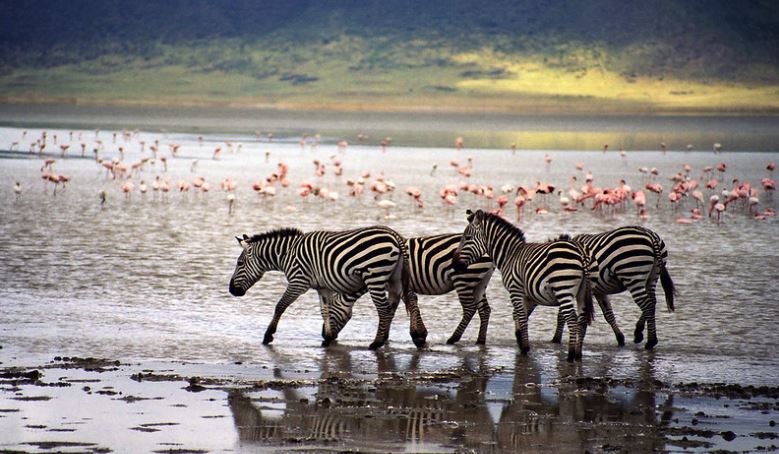
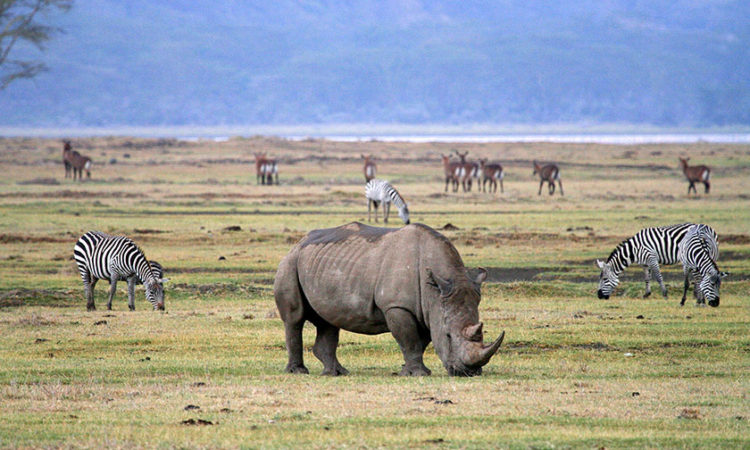
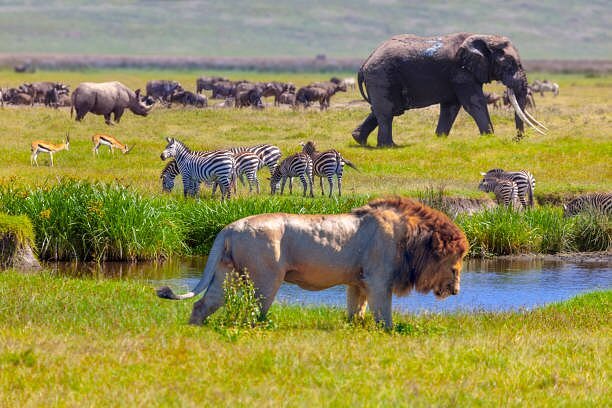
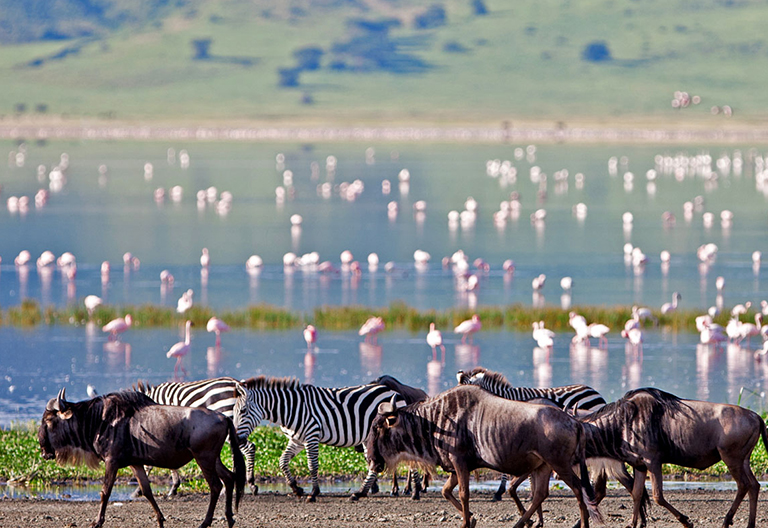
The crater floor spans roughly 260 square kilometers and contains diverse habitats including grasslands, swamps, forests, and soda lakes. These environments support thousands of animals such as lions, elephants, buffaloes, zebras, wildebeests, and hyenas. The alkaline waters of Lake Magadi attract large flocks of flamingos, creating a striking pink contrast against the crater’s landscape. The area is also one of the best places in East Africa to spot the rare and endangered black rhinoceros.
Beyond its wildlife, the crater lies within the larger Ngorongoro Conservation Area, a UNESCO World Heritage Site that blends conservation with human culture. The region is home to the Maasai people, who continue to live traditionally alongside wildlife while grazing their cattle in surrounding highlands. With its breathtaking scenery, rich biodiversity, and cultural significance, Ngorongoro Crater remains one of the most iconic safari destinations in East Africa.
The Ngorongoro Crater is the world’s largest intact volcanic caldera and the centrepiece of a UNESCO World Heritage Site. Its steep walls enclose grassland, swamps, a soda lake and acacia forest, creating a natural enclosure that holds tens of thousands of large animals.
The crater is one of the best places in Tanzania to see the Big Five, including the rare black rhino, in a single game drive.
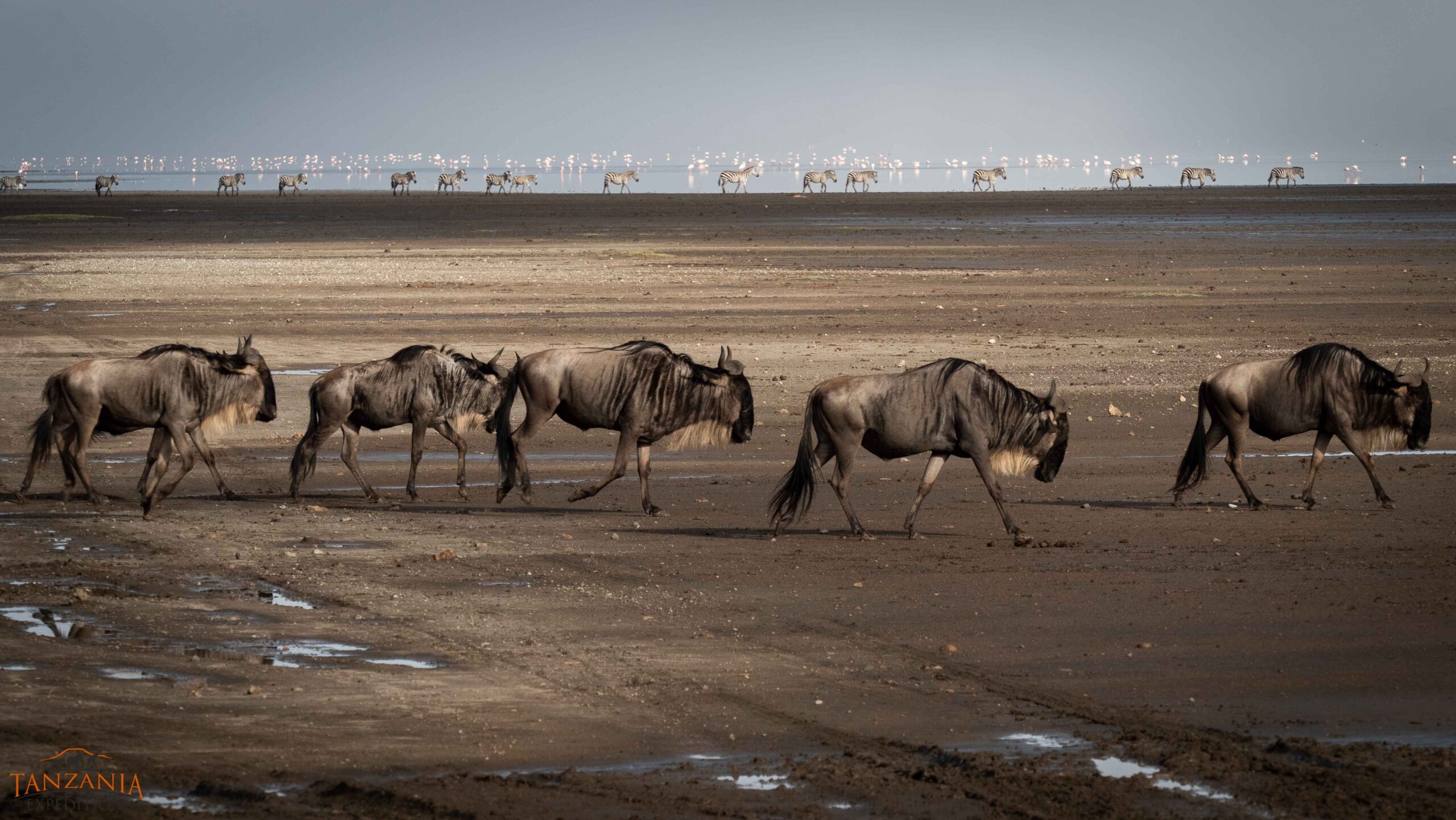
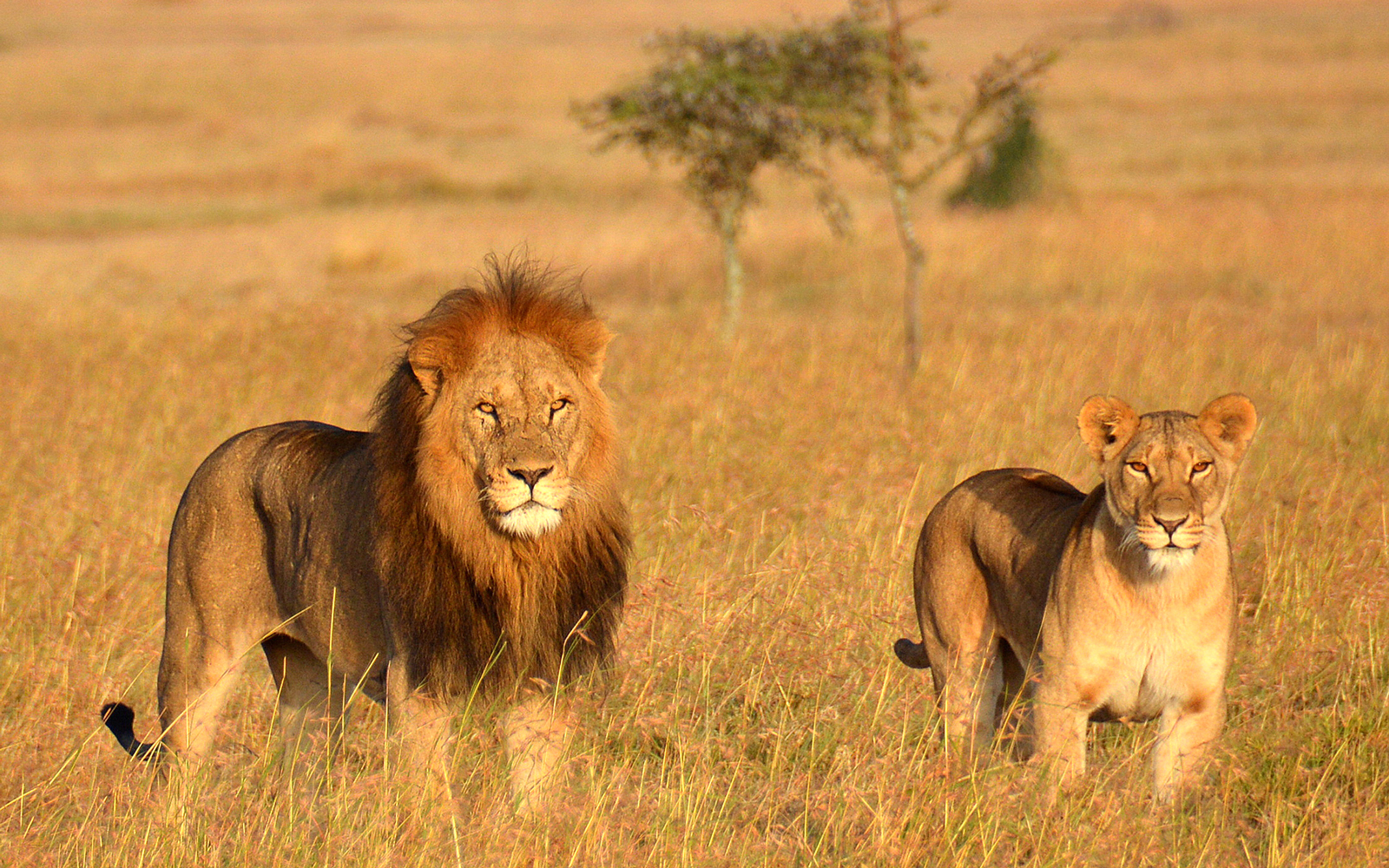
Resident lions and spotted hyenas are seen on most visits, hunting among the large herds of wildebeest, zebra and buffalo.
The shallow soda lake on the crater floor often draws flamingos, while hippos wallow in the Ngoitokitok spring and nearby swamps.
Outside the crater, Maasai herders graze cattle across the highlands, and Olduvai Gorge, a key site in the story of human origins, is close by.
The crater can be visited all year because its wildlife is largely resident. June to October is dry and clear, with animals easy to spot on short grass. From November to May the landscape turns green and lush, and visitor numbers are lower outside the holiday weeks.
Mornings on the crater rim can be cold all year, so bring a warm layer for the early descent.
The crater rim is about three to four hours’ drive from Arusha on a paved road, passing Lake Manyara and the town of Karatu. It sits on the main route to the Serengeti, so most safaris spend a day in the crater on the way to or from the plains.
Game drives descend to the crater floor on steep access roads, and guests usually spend half a day to a full day exploring before returning to a lodge on the rim or in the Karatu highlands.
The crater features in almost every northern Tanzania safari. These DKE itineraries include a full crater game drive.
The Ngorongoro Crater fits into even a three-day trip. Tell us your dates and we will suggest the best combination.
Yes. The crater holds one of Tanzania’s few viewable black rhino populations. Sightings are not guaranteed, but they are more likely here than almost anywhere else in the country.
Most visits spend half a day to a full day on the crater floor, including a picnic lunch at one of the designated sites.
Yes. Because most of the wildlife lives in the crater all year, game viewing stays excellent, the scenery is at its greenest and there are fewer vehicles.