+255 787 369 888
info@kilimanjaroexperience.com
Serengeti National Park is one of Africa’s most iconic wildlife destinations, located in northern Tanzania and spanning over 14,000 square kilometers of vast savannah plains. The park is world-renowned for its untouched landscapes, endless horizons, and exceptional concentration of wildlife. Its ecosystem is one of the oldest on earth, and the climate, vegetation, and animal life have remained largely unchanged for millions of years.
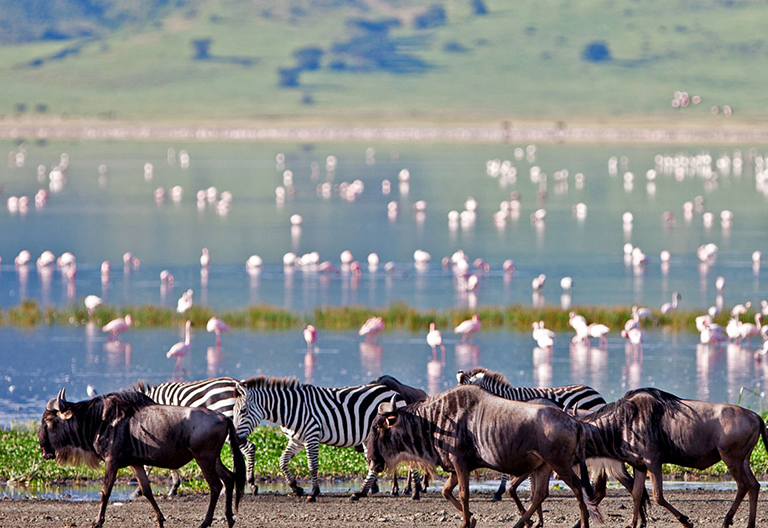
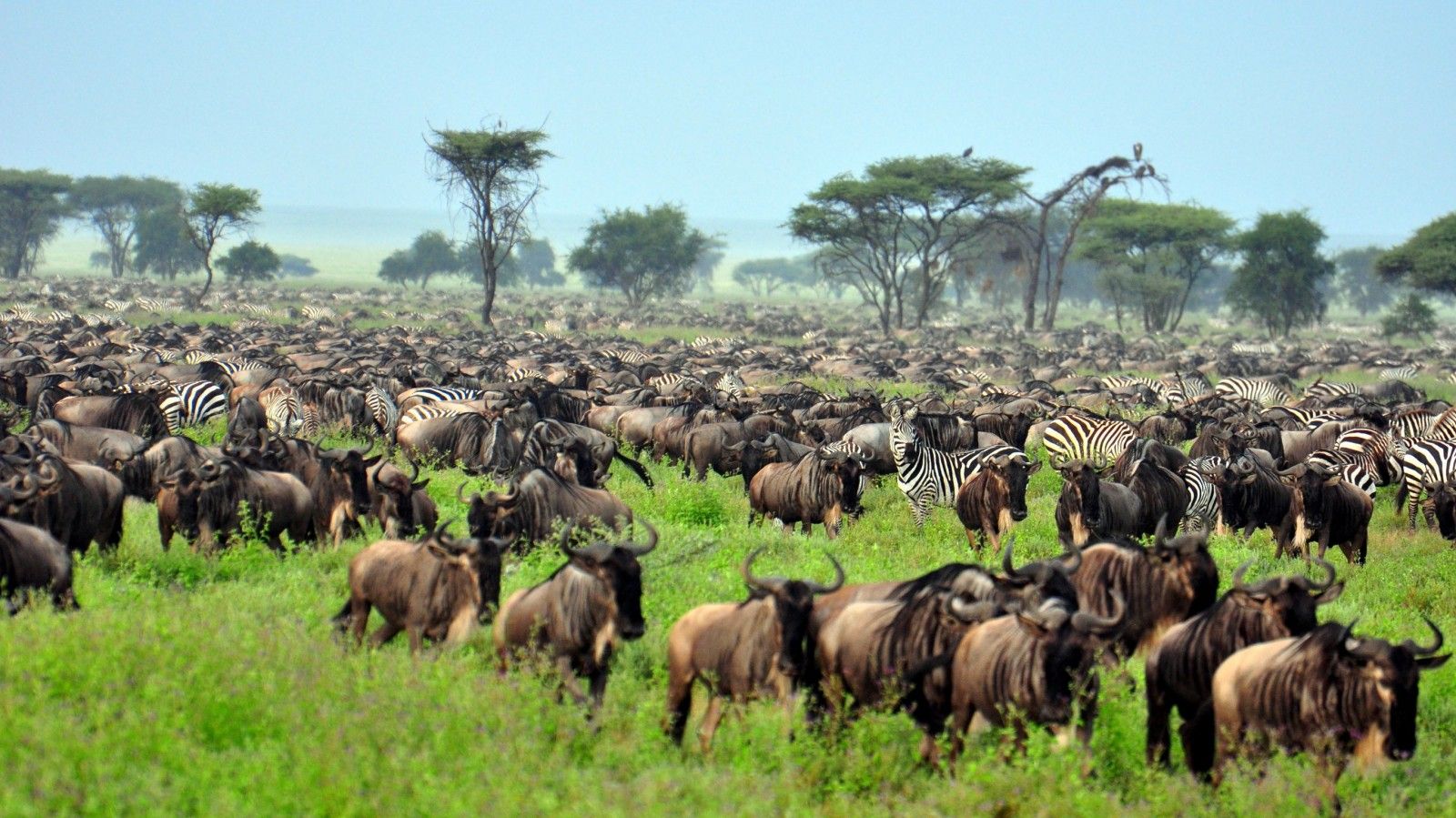
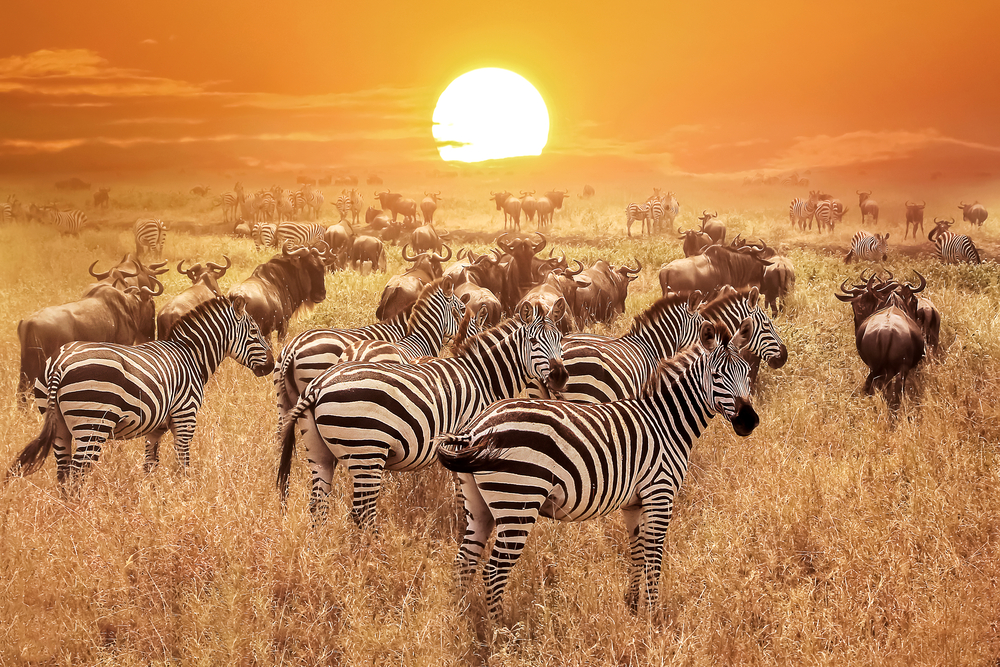
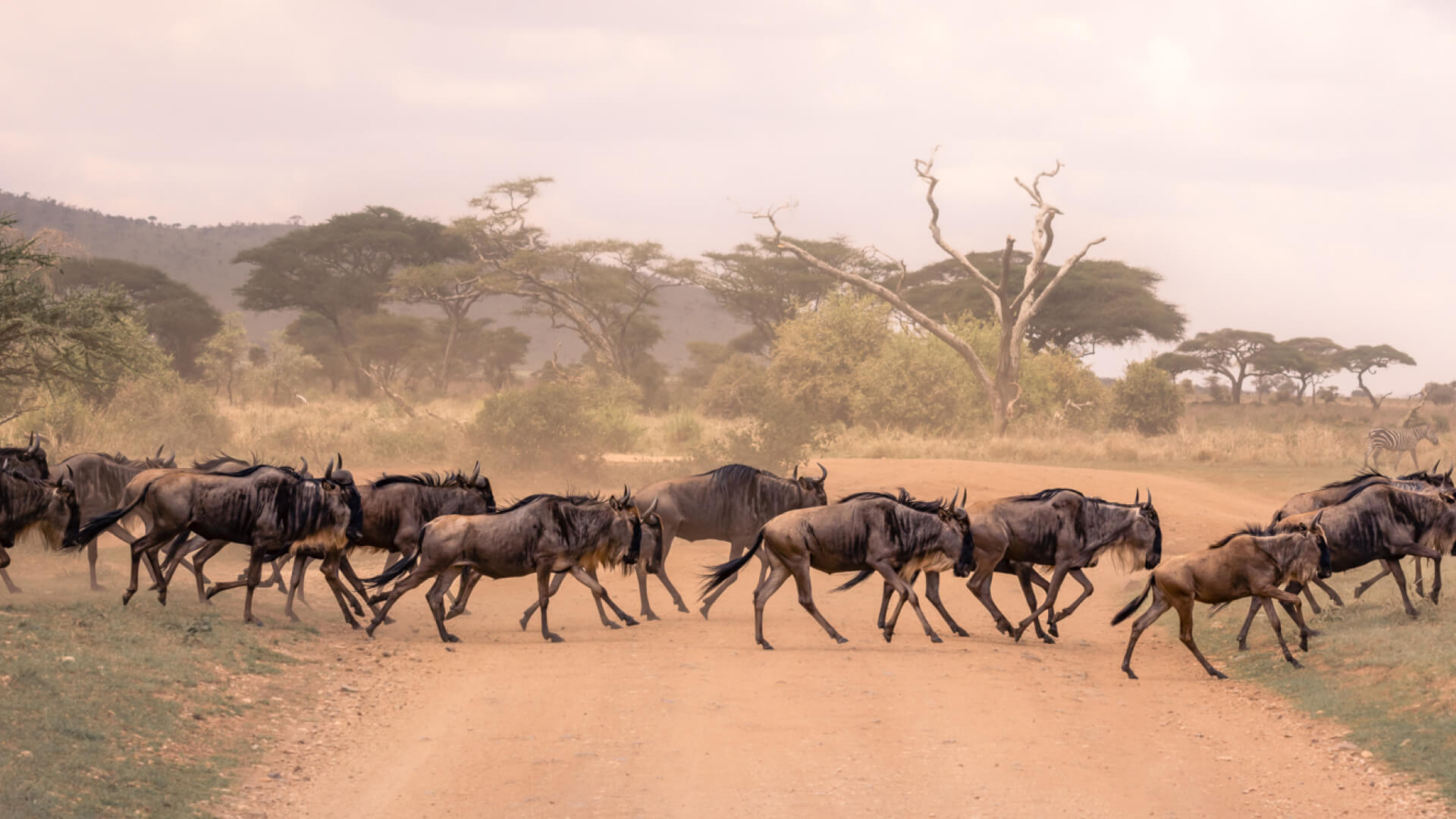
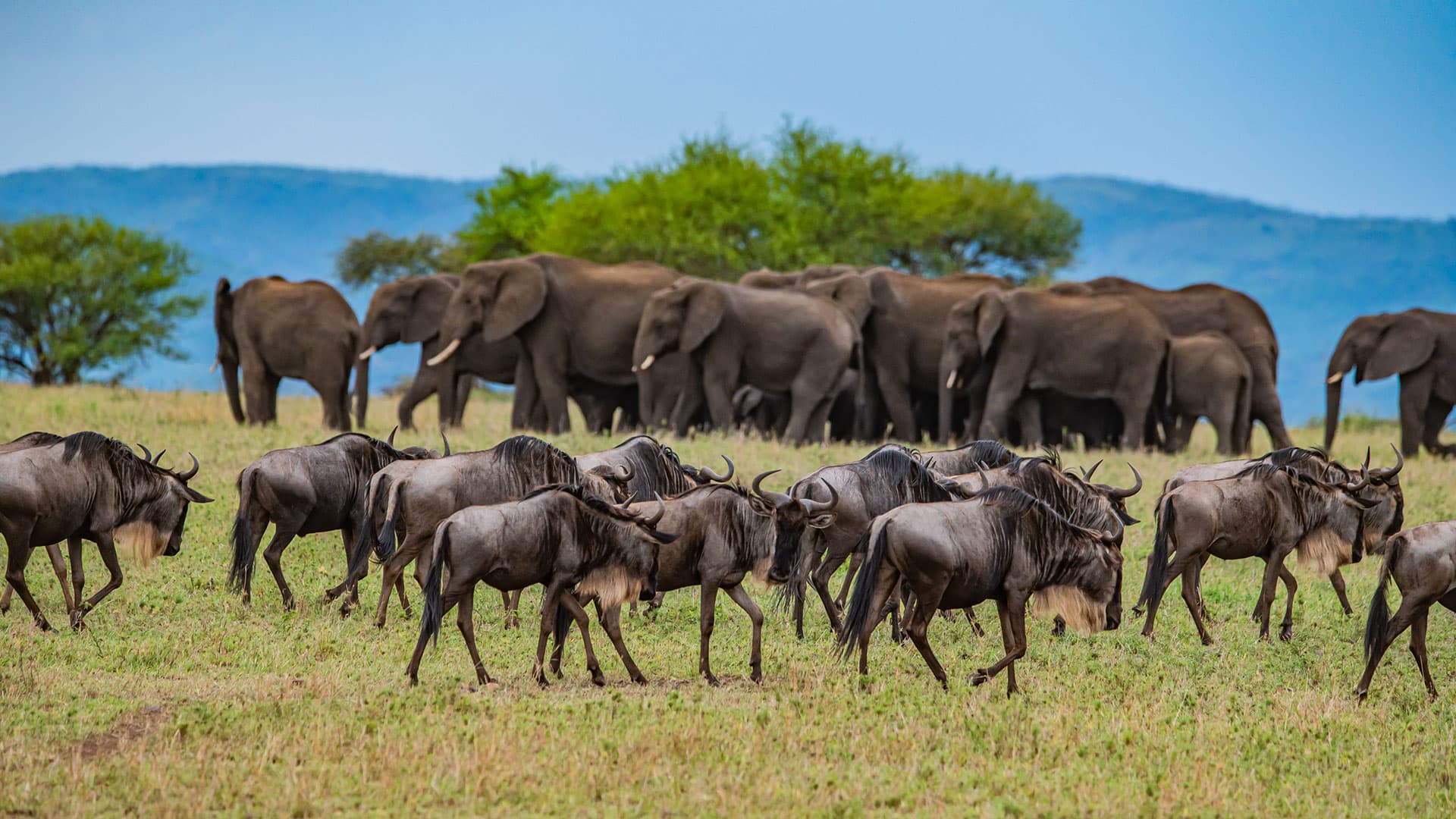
The Serengeti is most famous for the Great Migration, where over two million wildebeest, zebras, and gazelles move in a circular pattern in search of fresh grazing and water. This dramatic natural event attracts predators such as lions, cheetahs, leopards, and crocodiles, creating one of the most spectacular wildlife shows on the planet. Beyond the migration, the park is home to the “Big Five” — lion, leopard, elephant, buffalo, and rhinoceros — along with hundreds of bird species and diverse habitats ranging from open plains to riverine forests.
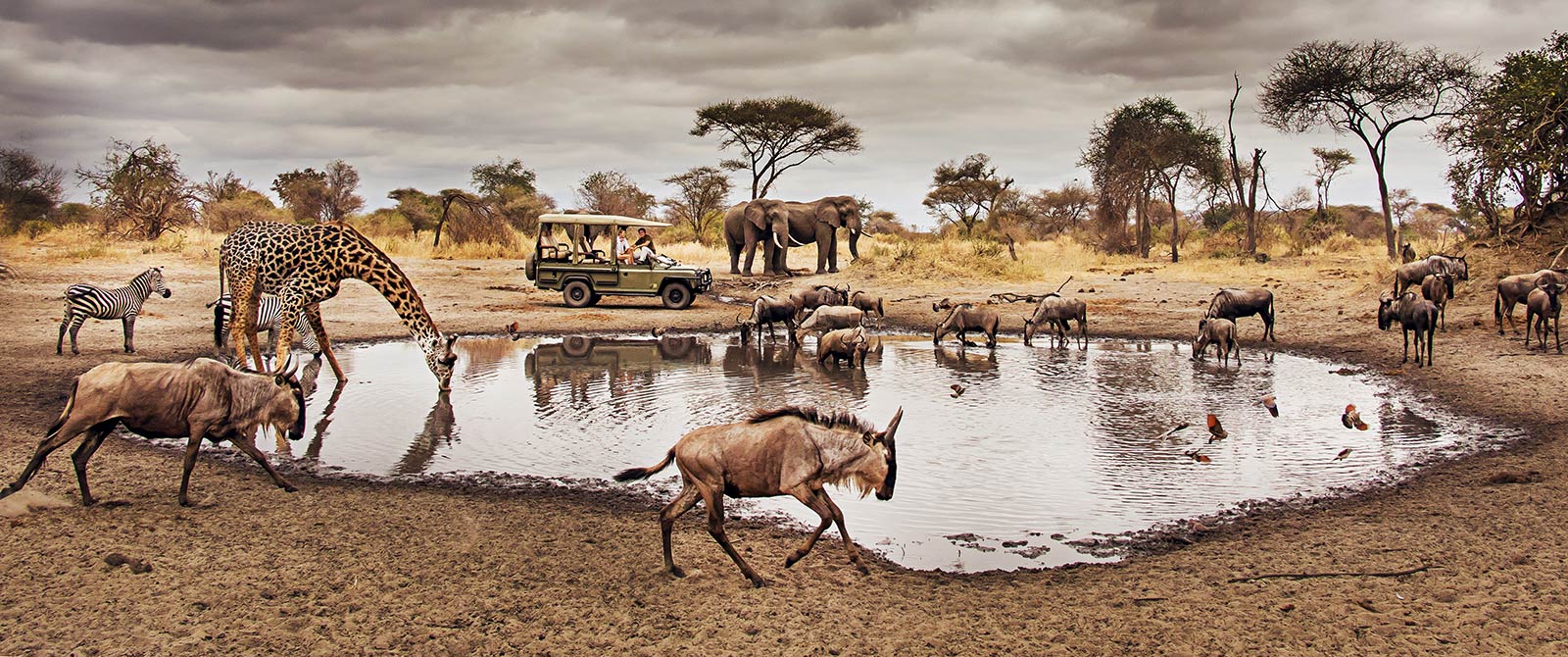
Visitors to the Serengeti can enjoy game drives, hot air balloon safaris, walking safaris in designated areas, and cultural visits to nearby Maasai communities. The park offers a variety of accommodation options, from budget camps to luxury tented lodges, allowing travelers to experience the wilderness in comfort. Whether visiting during migration season or in the quieter months, the Serengeti delivers an unforgettable safari experience defined by raw nature, dramatic scenery, and extraordinary wildlife encounters.
The Serengeti is Tanzania’s most famous park and a UNESCO World Heritage Site. Its endless grass plains, granite kopjes and riverine woodland support one of the densest concentrations of large mammals on Earth, and the annual movement of the Great Migration through it is one of the world’s great natural events.
Around 1.5 million wildebeest, with hundreds of thousands of zebra and gazelle, circle the Serengeti ecosystem each year in search of fresh grazing and water.
The central Seronera valley is renowned for lions, leopards resting in sausage trees and cheetahs hunting on the open plains.
A sunrise hot-air balloon flight over the plains, followed by a bush breakfast, is one of Africa’s most memorable safari experiences.
The Western Corridor, the Grumeti area and the far north around the Mara River offer exceptional game viewing away from busier routes.
The Serengeti is rewarding all year, but what you see depends on where the herds are. From January to March the migration gathers on the southern plains around Ndutu for the calving season, when predator action is intense. From about June to July the herds move through the Western Corridor and cross the Grumeti River.
From July to October the migration reaches the northern Serengeti and the dramatic Mara River crossings. June to October is the classic dry season, with easier game viewing; November and December bring short rains and fewer visitors.
Most guests reach the Serengeti from Arusha. By road, the journey takes most of a day and usually continues via the Ngorongoro highlands, so it is often combined with Tarangire and the Ngorongoro Crater on the way.
Scheduled and private light-aircraft flights from Arusha or Kilimanjaro reach airstrips across the park in about one to two hours, ideal for shorter trips or for reaching the far north and west. DKE can arrange either option, or fly one way and drive the other.
Each of these itineraries includes time in the Serengeti. All are private and can be adjusted to your dates and the movement of the herds.
Tell us your travel month and we will plan your Serengeti days around where the herds are expected to be.
The calving season on the southern plains runs from about January to March, and the Mara River crossings in the north from about July to October. The herds move every year, so exact timing varies with the rains.
We recommend at least two to three nights in the Serengeti, ideally split between two areas, so you have time to follow the wildlife rather than drive between sightings.
Yes. Many guests add a Serengeti safari after their Kilimanjaro climb or finish with a few days on Zanzibar’s beaches. Our itineraries can be combined and tailored around your dates.