+255 787 369 888
info@kilimanjaroexperience.com
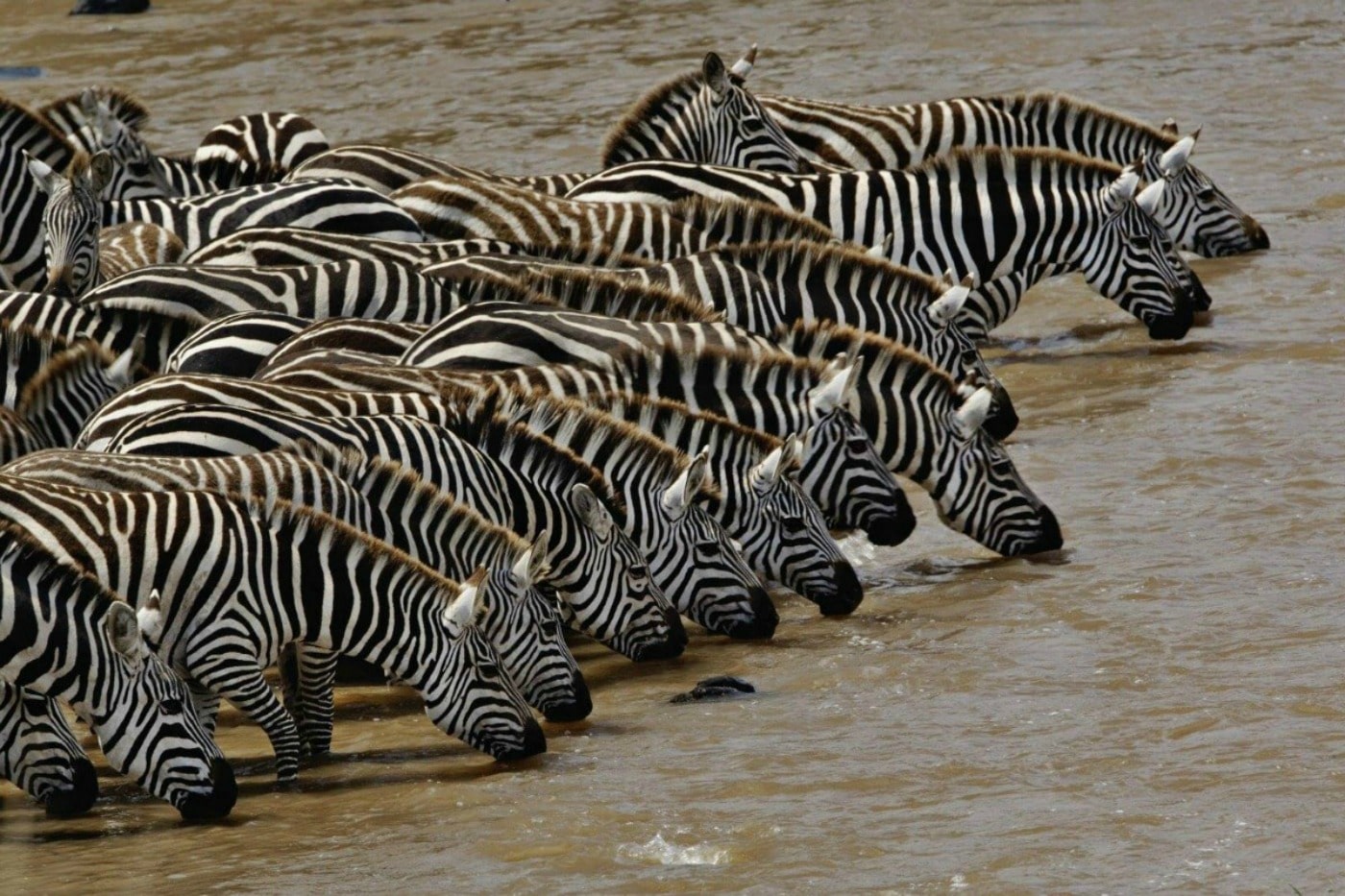
Tarangire National Park is one of Tanzania’s most captivating wildlife destinations, known for its wide open landscapes, ancient baobab trees, and rich variety of animals. Located in northern Tanzania, the park is named after the Tarangire River, which serves as a vital water source for wildlife, especially during the dry season. The river attracts large numbers of animals, creating incredible opportunities for visitors to witness wildlife gathering along its banks.
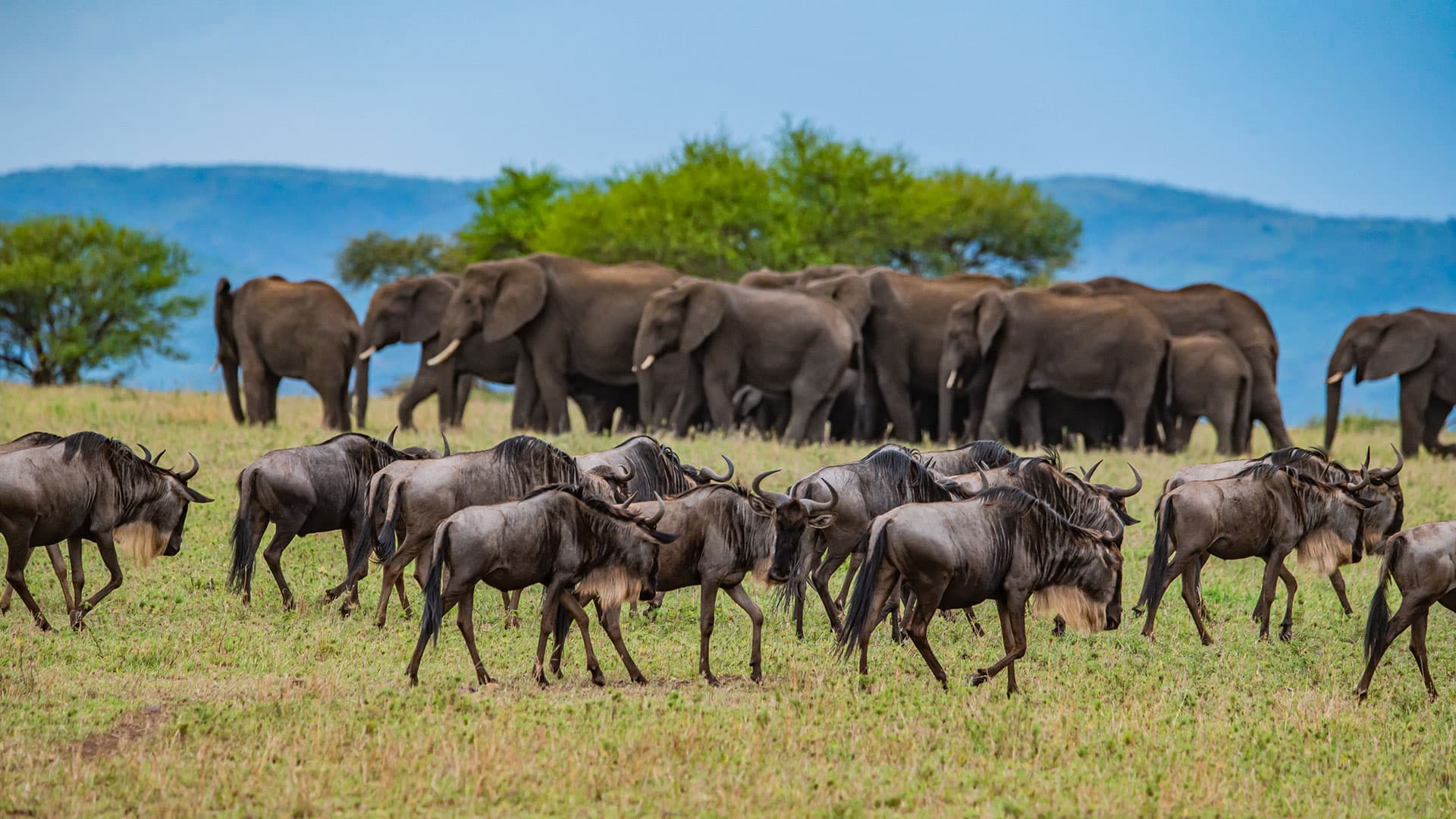
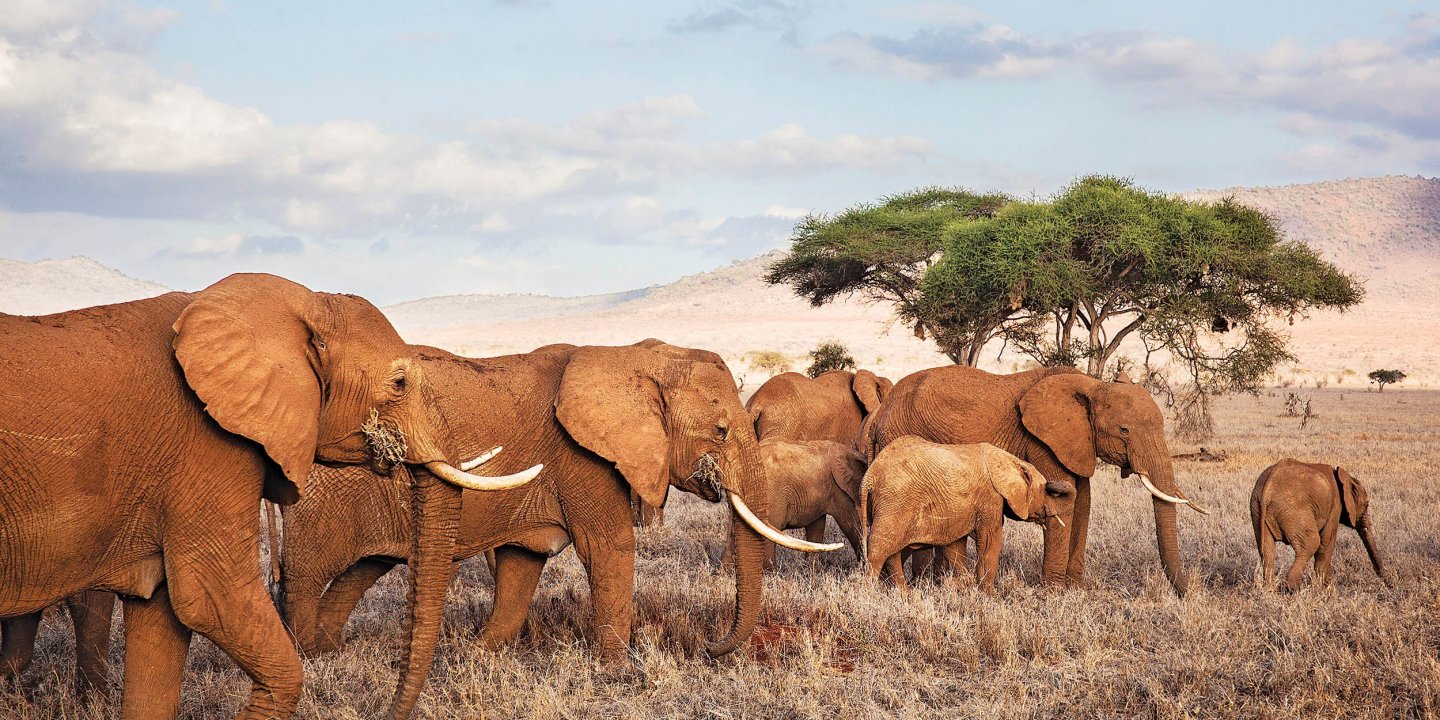
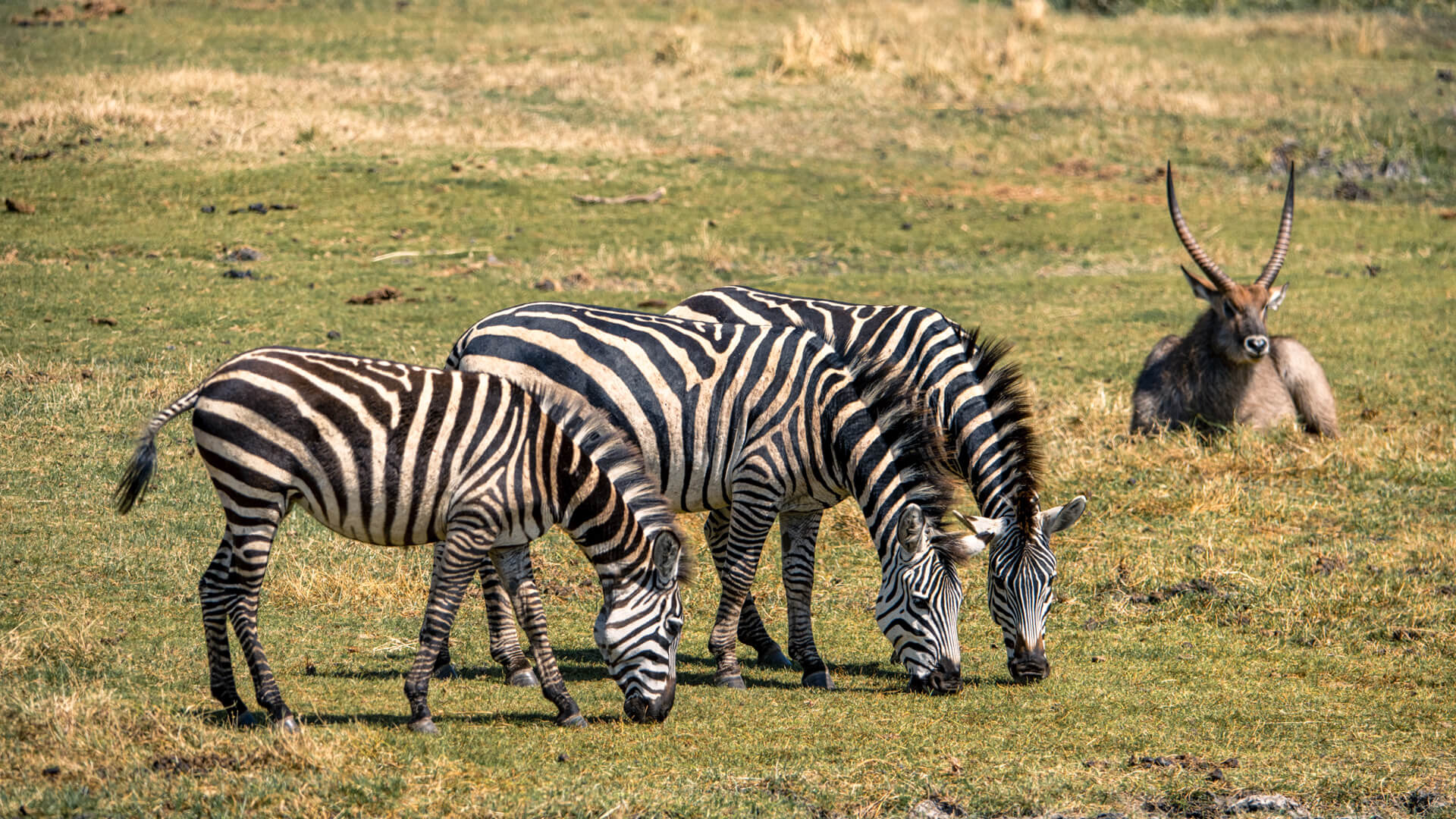
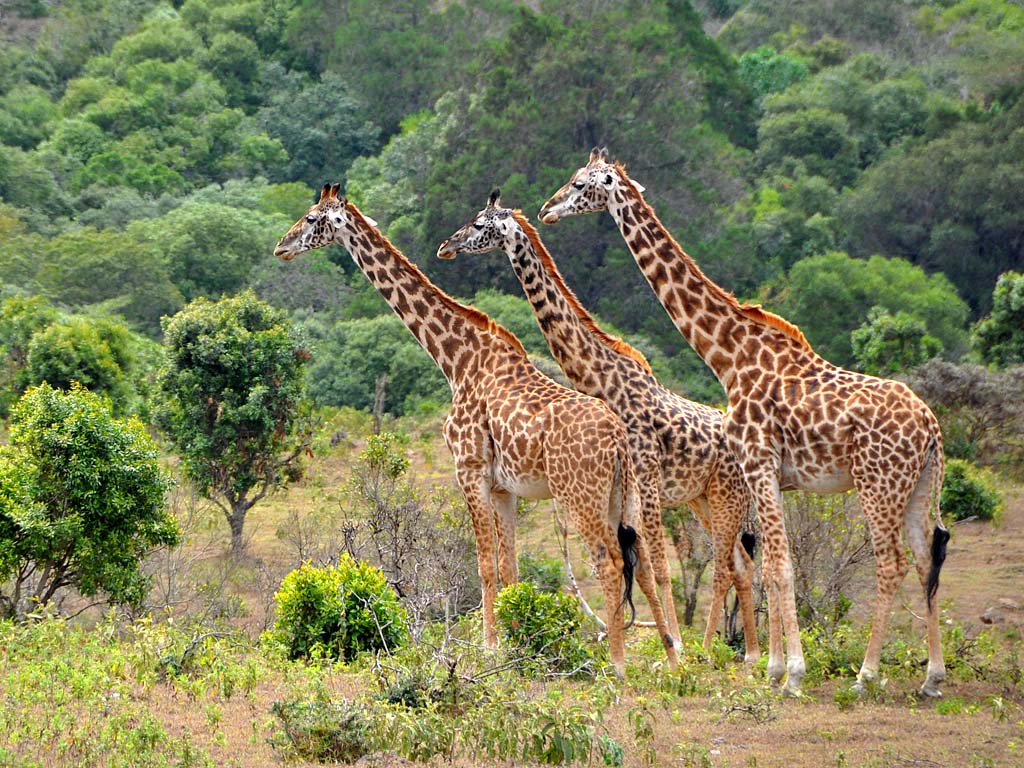
The park is particularly famous for its massive herds of elephants, often seen moving gracefully across the savannah or gathering near the river to drink and bathe. In addition to elephants, visitors can encounter lions, leopards, giraffes, zebras, wildebeests, and a wide range of antelope species. Tarangire is also a paradise for bird lovers, hosting hundreds of bird species including colorful kingfishers, hornbills, and eagles that thrive in the park’s diverse habitats.
Beyond its wildlife, Tarangire offers a peaceful and less crowded safari experience compared to some of Tanzania’s larger parks. Its beautiful scenery, dotted with towering baobab trees and seasonal swamps, creates a unique and picturesque landscape. Visitors exploring the park can enjoy exciting game drives while taking in breathtaking views and unforgettable encounters with Africa’s remarkable wildlife.
Tarangire is named after the river that runs through it and keeps it alive through the dry months. Its open savannah, ancient baobab trees and seasonal swamps make it one of the most photogenic parks in Tanzania, and one of the quietest on the northern circuit.
Tarangire is famous for its large elephant herds, often seen digging for water in the dry riverbed or crossing the plains in family groups.
Giant baobab trees, some many centuries old, dot the landscape and give the park its unmistakable silhouette.
Hundreds of bird species have been recorded here, from colourful lilac-breasted rollers and hornbills to ostriches and raptors.
Tarangire sees fewer visitors than the Serengeti or the crater, so sightings often feel private and unhurried.
The best time to visit Tarangire is the dry season, from about June to October. As water elsewhere dries up, wildlife concentrates along the Tarangire River, and the park holds some of the highest densities of animals in northern Tanzania.
From November to May many animals disperse into the wider area, but the park is green and beautiful, birdlife is at its peak and visitor numbers are low.
Tarangire is about two hours’ drive from Arusha on a good paved road, which makes it the natural first stop on a northern circuit safari, or an easy add-on after a Kilimanjaro climb.
It also works well as a full-day excursion from Arusha, or with one or two nights at a lodge or tented camp inside or just outside the park.
These itineraries include game drives in Tarangire, usually at the start of the safari.
Tarangire pairs perfectly with the Ngorongoro Crater and the Serengeti, or as a short safari after your climb.
Tarangire is best known for its large elephant herds, its ancient baobab trees and the concentration of wildlife along the Tarangire River during the dry season.
It is about a two-hour drive from Arusha, which makes it one of the easiest parks to reach in northern Tanzania.
A full-day game drive gives you a good experience of the park. Staying a night lets you enjoy early morning and late afternoon drives, when wildlife is most active.